



Wrong Battery Setup for Solar Inverters in Pakistan | Common Mistakes Explained
Technicians warn that wrong battery setup is a major reason behind solar inverter damage and high repair costs in Pakistan.

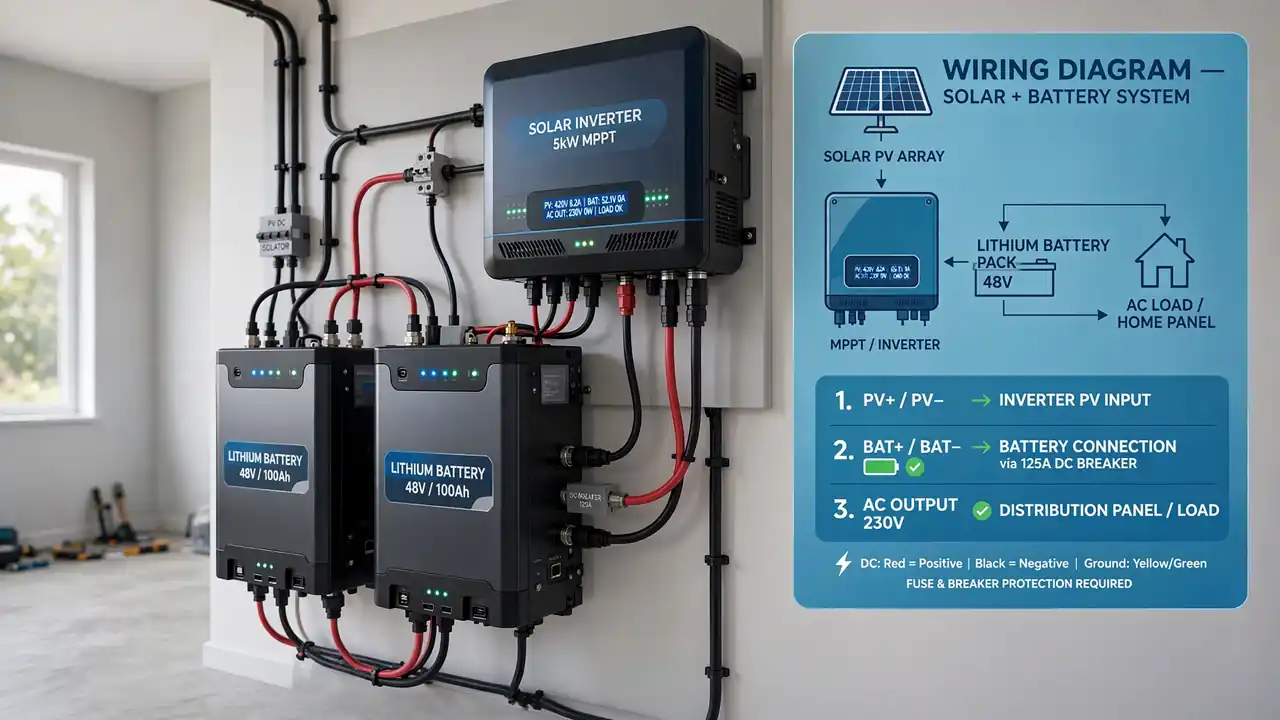
A customer once brought us an inverter that had died three times in two years. Three repairs. Three bills. Each time the technician fixed the inverter, and each time it failed again within months. The real problem was never the inverter. It was the battery bank wired wrong from day one. I work with SunTech Mall, where we supply original spare parts to repair shops across Pakistan. We hear stories like this constantly. A wrong battery setup silently destroys inverters, and most owners have no idea they are making a mistake. This guide explains every common battery setup error in simple words. You will learn how wrong batteries damage your inverter, how to spot the mistakes, and how to set things right. Your inverter’s life may depend on it.
The hard truth: most people think any battery works with any inverter. This single misunderstanding destroys more inverters in Pakistan than any other cause.
What You Will Learn in This Guide
- Understand why battery setup decides inverter life
- Avoid mixing old and new batteries
- Match voltage and wiring correctly
- See how wrong batteries damage inverters from inside
- Spot the warning signs early
- Set up your battery bank the right way
Understand Why Battery Setup Decides Inverter Life
Your inverter and batteries are partners. The inverter converts battery power into the electricity your home uses. When sunlight is gone, batteries do all the work. If the battery bank is wrong, the inverter pays the price.
Here is how the damage works. Mismatched batteries do not charge and discharge evenly. Some batteries work harder than others. Voltage becomes unstable. The inverter struggles to handle the uneven power flow. It draws extra current to compensate. Extra current means extra heat. Extra heat kills electronic parts slowly.
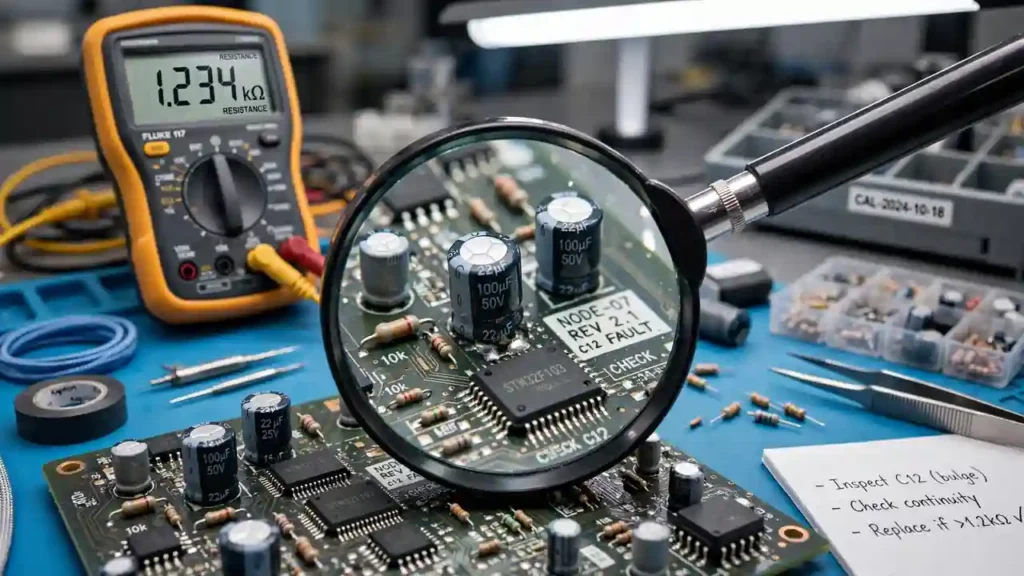
This damage is invisible at first. The inverter works. The lights turn on. Everything seems fine. But inside, the MOSFETs and capacitors are aging fast. Months later, the inverter starts tripping. Then it dies. The owner blames the inverter brand, but the batteries were the real killers all along.
Note: A battery bank is only as strong as its weakest battery. One bad battery drags down the whole bank and stresses the inverter with it.
Avoid Mixing Old and New Batteries
This is the most common battery mistake in Pakistan. One battery dies. The owner replaces just that one with a fresh battery. Now the bank has three old batteries and one new one. This seems like saving money. It is actually wasting money.
Old and new batteries have different capacities and internal resistance. The new battery charges faster and discharges slower than the old ones. The old batteries drag the new one down. Within months, the new battery ages prematurely. You lose the new battery and keep the problem.
The correct approach is simple but painful. Replace all batteries in a bank at the same time. Yes, it costs more upfront. But mixing costs more over time through repeated replacements and inverter damage. If your budget is tight, buy a smaller bank of new matched batteries rather than mixing one new battery with dying old ones.
The same rule applies to brands. Do not mix different brands in one bank, even if the ratings look similar. Different manufacturers use different internal designs. They will not age equally. Stick to one brand, one model, one purchase date for the whole bank.
Match Voltage and Wiring Correctly
Every inverter expects a specific battery voltage. Common setups are 12 volts, 24 volts, and 48 volts. Your battery bank must match exactly what the inverter needs. This sounds obvious, but wiring mistakes happen more often than you would think.
Batteries can be wired in series or parallel, and the two do very different things. Series wiring adds voltage. Two 12-volt batteries in series make 24 volts. Parallel wiring adds capacity but keeps voltage the same. Two 12-volt batteries in parallel stay at 12 volts but last longer.
A 48-volt inverter needs four 12-volt batteries in series. If someone wires them wrong and the inverter gets 24 volts instead, it will struggle and fail. If it gets too much voltage, parts can burn immediately. Always double-check the wiring against your inverter’s manual before switching on.
Bonus Tip: Take a clear photo of your battery wiring before any technician touches it. If something goes wrong after a battery change, the photo helps identify what changed.
Use proper cable thickness between batteries and the inverter. Thin cables cause voltage drop, which makes the inverter draw more current. More current means more heat. For high-power systems, this detail matters enormously. Our solar electrical components section has properly rated cables and connectors.
See How Wrong Batteries Damage Inverters From Inside
Let us trace exactly what happens inside an inverter connected to a bad battery bank. The inverter’s input stage expects stable DC voltage. Mismatched batteries deliver voltage that jumps up and down. The inverter’s circuits work overtime to smooth these jumps.
The power MOSFETs switch faster and harder to compensate. They run hotter than designed. Heat burns MOSFETs over time. Capacitors in the input stage also suffer. They filter the unstable voltage, absorbing stress with every cycle. Capacitors fail from heat faster than any other part.
The charging circuit gets confused too. It cannot properly charge a mismatched bank. Some batteries overcharge while others stay half empty. Overcharged batteries release gas and lose water. Undercharged batteries develop sulfation and lose capacity permanently. The whole system degrades together, batteries and inverter alike.
This is why technicians say battery problems and inverter problems are really one problem. Fix the batteries, and the inverter gets a new life. Ignore the batteries, and every inverter repair will fail again.
Spot the Warning Signs Early
Bad battery setups announce themselves before the inverter dies. Learn these signs. Your inverter restarts often for no clear reason. Backup time keeps shrinking even though your usage has not changed. Batteries feel very hot during charging. You see white or green buildup on battery terminals.
Other signs include error codes related to battery voltage on the display. Check our error codes guide to understand them. The inverter beeps during normal use. Charging takes much longer than it used to, or finishes suspiciously fast. Any of these signs means your battery bank needs attention now, not later.
Bonus Tip: If your backup time dropped suddenly after a battery replacement, the new battery is probably mismatched with the old ones. This is the classic symptom of mixing.
Set Up Your Battery Bank the Right Way
Here is the correct way to set up batteries for your solar inverter. Buy all batteries at the same time, same brand, same model, same capacity. This ensures they age together evenly. It is the single most important rule.
Match the total voltage to your inverter’s requirement. A 24-volt inverter needs a 24-volt bank. Count your batteries and plan the series-parallel wiring on paper before connecting anything. Measure twice, connect once.
Keep the batteries in a ventilated area. Batteries release gases while charging, especially lead-acid types. A closed room traps these gases and the heat. Both damage batteries and create safety risks. Never place batteries in direct sunlight or next to heat sources.
Maintain the bank regularly. Clean terminals every few months. Check water levels in flooded batteries and top up with distilled water only, never tap water. Tighten connections that have loosened from vibration and heat cycles. These small habits add years to battery life.
Size the bank correctly for your needs. An undersized bank drains too deeply every day, which kills batteries fast. Deep discharge is the fastest way to destroy lead-acid batteries. If your batteries die every night before morning, your bank is too small or your load is too big.
Choose the Right Battery Type for Your Inverter
Not all battery types behave the same. Traditional lead-acid batteries are affordable and widely available in Pakistan. They need regular maintenance, including water top-ups and terminal cleaning. They also hate deep discharge. Regularly draining them below half capacity shortens their life dramatically.
Tubular batteries handle deep discharge better and last longer in solar applications. They cost more but often work out cheaper over time. Lithium batteries are the premium option. They last many more cycles, need no maintenance, and handle deep discharge well. Match the battery type to your inverter’s charging profile. Not every inverter charges lithium batteries correctly, so check compatibility before switching types.
Whatever type you choose, buy from a trusted source. Fake and refurbished batteries flood the market. They look fine but die within months. A genuine battery from a reliable supplier is worth every rupee. The money you save on a fake battery will be spent many times over on inverter repairs.
How Battery Mistakes Affect Homes and Businesses
For families, battery mistakes mean unreliable backup power. The system works when you test it but fails during actual load shedding. Children study by candlelight while a expensive solar system sits useless. The frustration is real, and it is almost always preventable.
For businesses, the stakes are higher. Shops lose customers during power cuts. Offices lose work hours. A dead inverter during business hours costs real money. Many business owners now schedule yearly battery bank inspections, treating them like any other business maintenance. It is a smart investment.
Repair shops benefit from understanding battery issues too. When a customer brings a repeatedly failing inverter, checking the battery bank first saves everyone time. The shops we supply at SunTech Mall tell us that battery-related comebacks dropped sharply once they started testing banks before doing board repairs.
Frequently Asked Questions
Can I mix old and new batteries if they are the same brand?
No. Even the same brand and model will mismatch if their ages differ. An old battery has less capacity and higher internal resistance than a new one. They will charge and discharge unevenly. Always replace the full bank together for best results and longest inverter life.
How do I know what voltage my inverter needs?
Check the nameplate on the inverter or its user manual. It will clearly state the battery voltage, such as 12V, 24V, or 48V. You can also check the display menu on many models. Never guess. Wiring the wrong voltage can damage the inverter immediately or slowly over months.
Why does my backup time keep getting shorter?
Shorter backup usually means weakening batteries, not a faulty inverter. Batteries lose capacity as they age. Mismatched banks lose capacity even faster. Test each battery individually. If one or more are weak, plan to replace the whole bank with matched new batteries. Learn how to identify faulty parts before spending on repairs.
Is it safe to add more batteries to my existing bank later?
Adding new batteries to an old bank creates the mixing problem. The new batteries will age prematurely. If you must expand, the cleanest solution is a separate new bank with its own charge controller, or replacing the whole bank with a larger matched set. Consult a technician for your specific setup.
How often should I check my battery connections?
Inspect terminals every two to three months. Look for corrosion, looseness, and heat discoloration. Clean any buildup with a dry brush. Tighten loose connections. This takes ten minutes and prevents many problems. Include it in your monthly maintenance routine.
Can wrong batteries really destroy an inverter?
Yes, absolutely. Unstable voltage from mismatched batteries forces the inverter’s power stage to work beyond its design limits. MOSFETs overheat and burn. Capacitors degrade. The control board takes constant stress. We see this damage pattern in repair shops regularly. The inverter is often the victim, not the culprit.
Should I switch to lithium batteries?
Lithium batteries offer longer life and better performance, but they cost significantly more upfront. More importantly, your inverter must support lithium charging profiles. Check your inverter’s manual or ask the manufacturer. Switching without compatibility can cause charging problems. For most users, a properly sized and maintained tubular bank is the practical choice.
Final Thoughts
Your batteries and inverter are a team. When the team is matched and healthy, your solar system runs for years without drama. When the team is mismatched, everything suffers. The inverter works too hard, the batteries die too fast, and you pay for repairs that never seem to end.
The fix is not expensive or complicated. Buy matched batteries. Wire them correctly. Maintain them regularly. These three habits protect the most expensive part of your solar system.
If your inverter is already showing signs of battery-related stress, act now before the damage spreads. And when you need genuine batteries, cables, or inverter spare parts, remember that SunTech Mall is Pakistan’s trusted source for original solar and UPS components. We supply the repair shops that fix these problems every day, with nationwide delivery. Visit our shop or browse the most-used spare parts to keep your system healthy for years.