


Best Solar Inverters in Pakistan: A 6kW Buying Guide
In the summer of 2023, my neighbour's monthly electricity bill had climbed painfully high. He runs a small house — two air conditioners, a fridge, the usual appliances — but with rising…

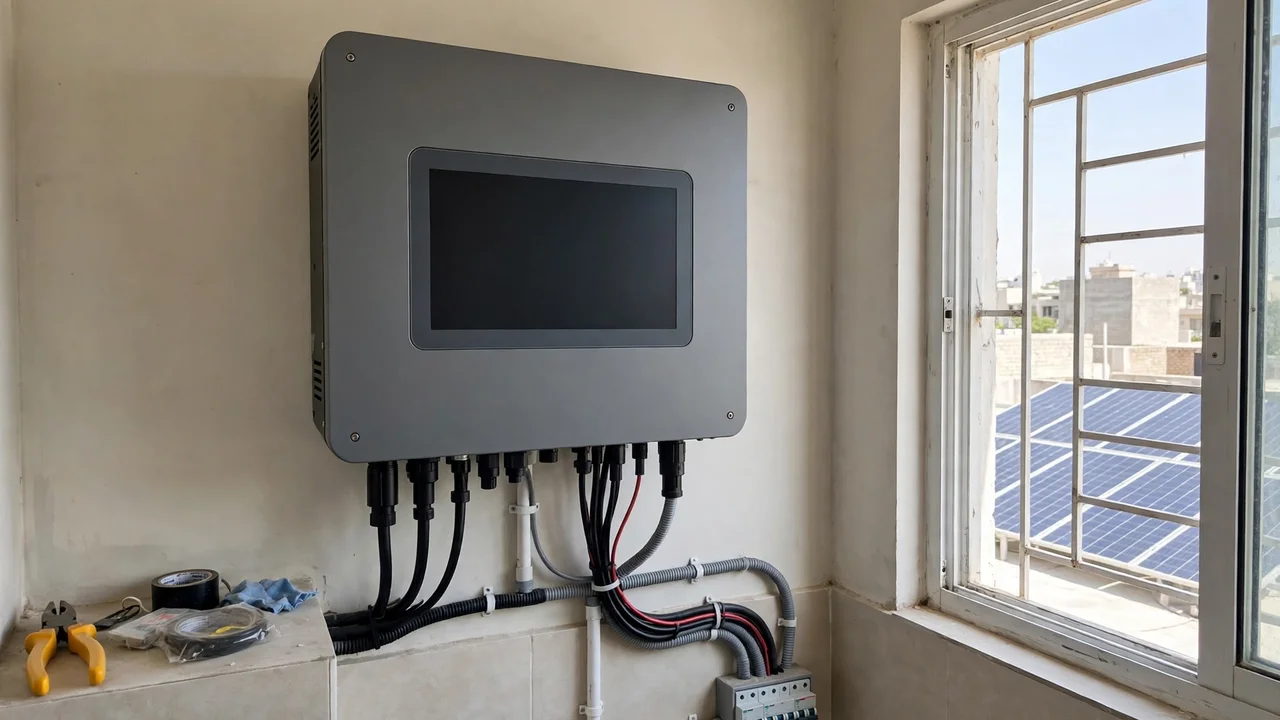
In the summer of 2023, my neighbour’s monthly electricity bill had climbed painfully high. He runs a small house — two air conditioners, a fridge, the usual appliances — but with rising tariffs and daily load shedding, the grid had become both expensive and unreliable. Last year he installed a 6kW solar system. His bill dropped to a fraction of what it was, and during load shedding his fans and lights stay on. The component that made it all work was the solar inverter: the brain converting his panels’ DC power into usable home electricity.
At SunTech Mall, we deal with solar equipment and repair parts daily, and the question we hear most is: which solar inverter should I buy in Pakistan? The market is full of conflicting advice from sellers pushing their own stock. Choosing wrong means poor performance, no after-sales support, or an inverter that dies just after its warranty ends.
The fear is real: a solar inverter is a major purchase, the heart of a system worth lakhs of rupees, and you will live with your choice for a decade or more. Buy too small and it trips under load. Buy from a brand with no service network and a simple fault becomes a month-long ordeal.
This guide gives you an honest, brand-fair look at four popular 6kW-class solar inverter options in Pakistan for 2026, how to choose between them, installation and output basics, and where to find genuine spare parts. No paid rankings, no trash-talk.
Let us start with how to think about the choice before looking at any brand.
Key takeaways
- A 6kW inverter suits most Pakistani homes — fans, lights, fridge, TV, and one air conditioner at a time.
- Judge any inverter on hybrid capability, warranty and local service, build quality, battery compatibility, and installer familiarity.
- The four options below come from the original 2025 guide, not a verified 2026 ranking — the market has since added many new models.
- Size to your actual simultaneous loads, not your wish list.
- Buy from authorised dealers, insist on proper earthing, and keep surge protection in mind.
An honest warning about this list
We are keeping the four options from the original 2025 article for returning readers, but be honest with yourself: the market has moved on. Current 2026 guides compare many more brands — Crown, Solis, Sungrow, SOFAR, Growatt, and Deye alongside Inverex — ranked by use case, not one winner.
Treat the four names below as a starting shortlist, not a final ranking. When you shortlist, also compare at least one newer 2026 model on the same scorecard: warranty, local service, installer familiarity, and spare-parts availability.
This guide is not sponsored. SunTech Mall sells solar equipment and genuine repair components — browse suntechmall.com or the electrical and solar range — but this guide works whether you buy from us or not.
What does a solar inverter do, in plain words?
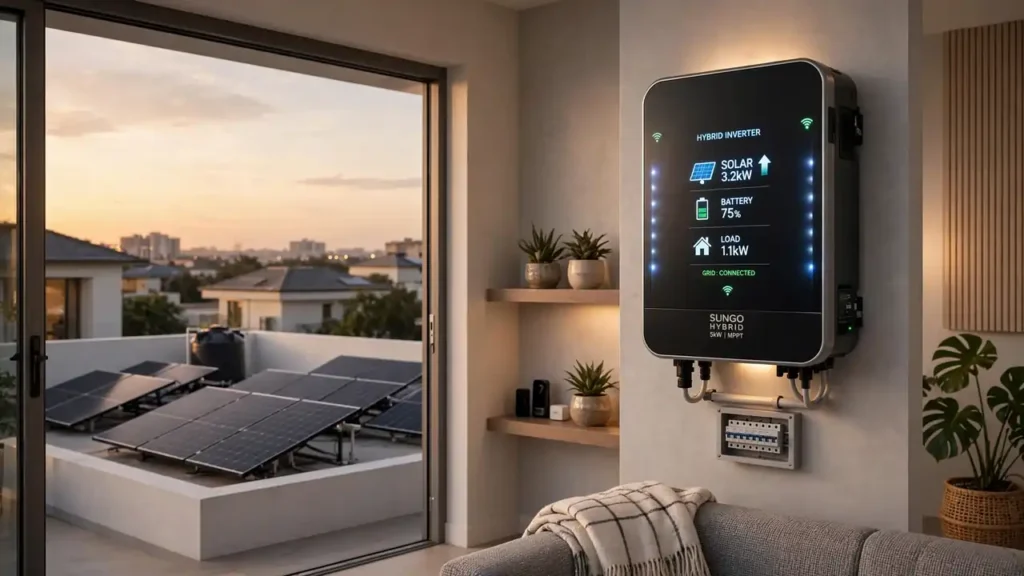
Your solar panels produce direct current (DC) electricity. Your home runs on alternating current (AC) electricity. The inverter converts DC to AC, and a hybrid inverter also manages panels, batteries, home loads, and the grid.
A 6kW inverter can continuously supply about 6 kilowatts — enough for a typical Pakistani home running fans, lights, a fridge, a TV, and one air conditioner at a time.
Bonus Tip: Size the inverter to your actual loads, not your dreams. List every appliance you want to run simultaneously and add up the watts from their labels. If the total is close to 6kW, you need a bigger inverter or stricter load discipline.
How do you judge any solar inverter fairly?
Before the four options, here is the scorecard I recommend. Apply it to any brand, including ones not listed here.
Hybrid capability. A hybrid inverter works with batteries and can switch between solar, battery, and grid power. In a country with load shedding, that flexibility matters more than a slightly higher headline efficiency.
Warranty and service network. An inverter is a ten-year relationship. Ask who honors the warranty, where the service centers are, and how long repairs actually take. A long warranty on paper means nothing if the service center is three cities away.
Build quality and protection. Good inverters include proper surge protection, over-temperature shutdown, and well-designed cooling. Quality varistors on the AC input — like the 10N471K varistor we recommend for inverter protection — are part of that story.
Battery compatibility. If you plan to add or upgrade batteries later — especially lithium batteries — confirm the inverter supports them. Some inverters are picky about battery chemistry and communication protocols.
Installer familiarity. An inverter your local installer knows well will be configured correctly and serviced quickly. An unfamiliar model, however good, can mean delays and guesswork.
Note: Be cautious of specification sheets that look too good for the price. Real-world reputation among installers matters more than brochure numbers.
The four options, compared honestly
These four come up constantly in Pakistani solar discussions. Each has a genuine place in the market. There is no ranking here — the order below is the original guide’s order, not a first-to-fourth verdict.
| Option | Best known for | Watch out for |
|---|---|---|
| Fronus PV7200 | Widely installed; installers know it well | Counterfeits — buy from authorised channels only |
| Inverex Veyron II 6kW | Established brand; popular home hybrid line | Confirm the exact model’s features match your needs |
| Nitrox 6kW (IP65) | Rugged outdoor-rated build | Still needs shade and ventilation clearance |
| Premo 6kW | Budget-friendly compact hybrid | Extra scrutiny on after-sales support and parts |
Fronus PV7200. Fronus is a well-known name in Pakistan’s solar market, and the PV7200 is one of its most widely installed models. Installers know it, spare parts circulate, and troubleshooting is familiar. The trade-off is popularity itself: counterfeits exist, so buy only from authorised channels and verify the unit.
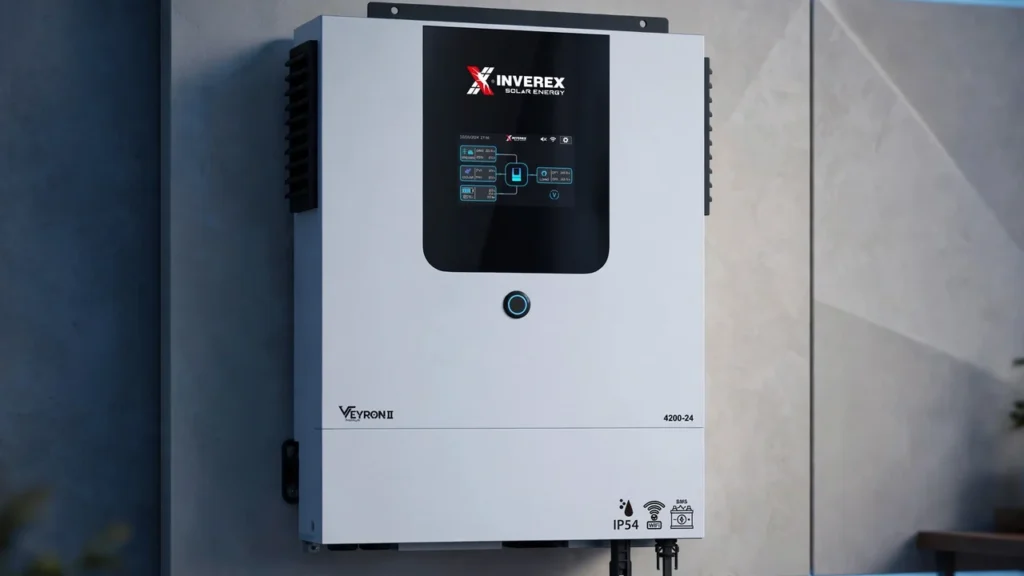
Inverex Veyron II 6kW. Inverex is one of Pakistan’s most established solar brands, and the Veyron II series is its popular home hybrid line. It offers a good balance of features and value for money. As with any line, confirm the exact model’s features match your needs before paying — model names within a series can differ.
Nitrox 6kW (IP65). The Nitrox series is known for rugged, outdoor-rated construction — the IP65 rating means the enclosure is dust-tight and protected against water jets, so it can be wall-mounted outside without a separate shelter. A correction to the old guide: current listings describe Nitrox as an Inverex series, not a standalone brand. Even an outdoor-rated inverter still needs shade and ventilation clearance — heat is the enemy of electronics. The premium build is reflected in the price, so check the live price on the website.
Premo 6kW. Premo represents the budget end of the market — a compact hybrid option for smaller to medium homes. The lower price is attractive, but apply extra scrutiny to after-sales support and parts availability. Verify the warranty in writing and confirm your installer can actually service the unit.
Bonus Tip: Do not choose on brand name alone — choose on the combination of brand, authorised dealer, and installer. A good installer with a mid-range inverter beats a premium inverter installed badly.
What should you expect from installation?
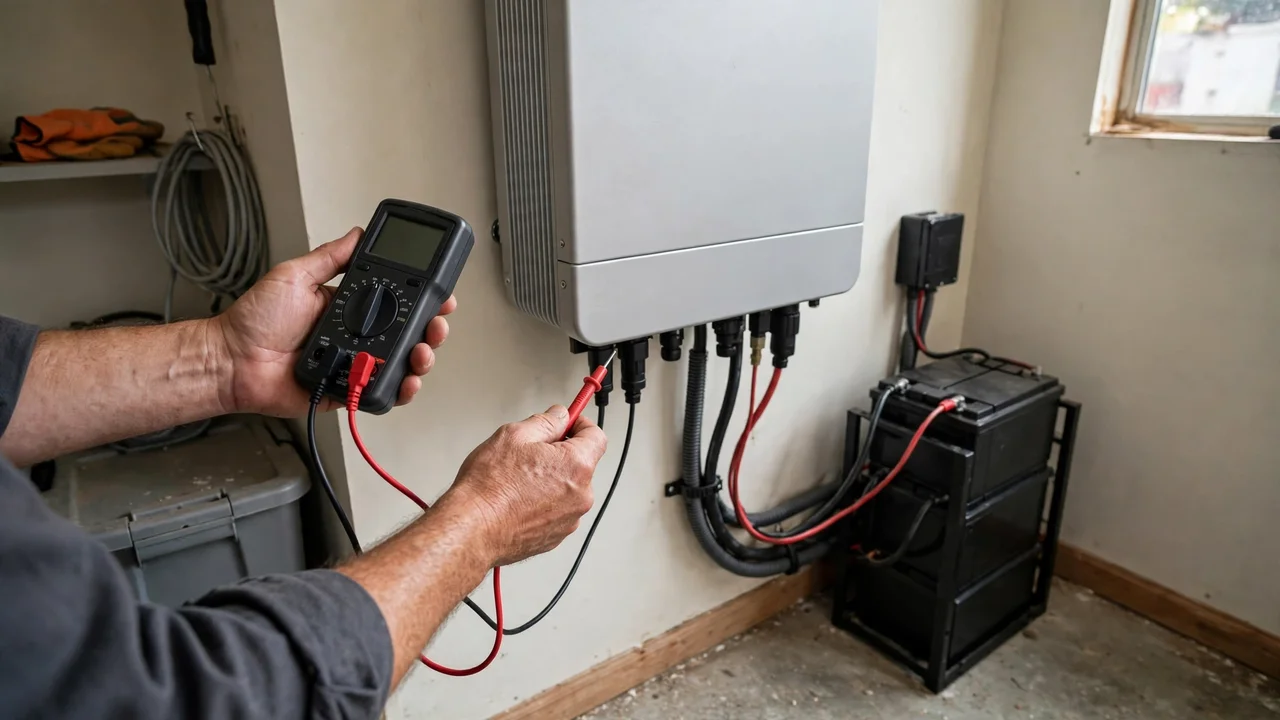
Installation is a professional job, but knowing the steps helps you supervise it intelligently.
Site survey. The installer inspects your roof or ground space for panel placement — checking shade patterns through the day, roof strength, and cable routes.
Panel mounting. Panels are mounted on tilted aluminium structures — south-facing performs best in Pakistan. The structure must withstand wind loads; flimsy mounting is a common failure point.
Inverter placement. The inverter goes in a shaded, ventilated spot — a garage, utility room, or shaded wall for outdoor-rated units. Heat shortens electronics life, so placement is not cosmetic.
Wiring and protection. DC cables from panels, AC connections to your distribution board, proper earthing, and protective devices — breakers and surge protection on both DC and AC sides.
Testing and handover. The system is commissioned and output verified. Insist on a walkthrough: how to read the display, what fault codes mean, and who to call when something goes wrong.
Note: Never let anyone skip the earthing. Proper earthing protects both the equipment and your family, and it is legally required. If an installer suggests earthing is optional, find another installer.
How much will a 6kW system actually produce?
A 6kW solar setup in Pakistan typically produces roughly 20 to 30 units (kWh) per day, depending on conditions. Treat that as a planning estimate, not a promise.
Location and sunlight hours. Southern Punjab, Sindh, and Balochistan generally see stronger solar irradiation than northern areas. Your city’s average matters more than national averages.
Panel orientation and shade. South-facing panels with zero shade perform best. Even partial shade on one panel can disproportionately reduce a string’s output.
Panel cleanliness. Dust is a silent thief — a dusty panel can lose a noticeable share of its output. Regular cleaning is cheap insurance.
Inverter health. An aging inverter with degraded internal components — drying capacitors, for instance — quietly produces less than it should.
Bonus Tip: Track your daily production for the first month and note the pattern. That baseline is gold: any future drop tells you something needs attention.
Why do spare parts matter before you buy?
Here is what most solar buyers never consider: inverters are repairable, and the parts that fail are usually cheap.
Capacitors are the most common wear items. The electrolytic capacitors in the power supply sections dry out over years of heat. A capacitor replacement costing little can revive an inverter that seemed dead.
Varistors and surge components sacrifice themselves to protect everything else. After a severe storm season, inspect them — our 10N471K guide and 20D561K guide explain exactly how.
Fans and thermal components wear out too. An inverter running hot because of a dead fan will throttle output or shut down — and heat accelerates every other aging process.
The lesson: choose an inverter whose spare parts are available in Pakistan. SunTech Mall’s electronic parts range carries the capacitors and varistors inverter repairs need, and our solar range covers system-level parts.
Frequently asked questions
Which is the best solar inverter in Pakistan?
There is no single “best” — the right inverter depends on your loads, budget, and installer. Fronus, Inverex, Nitrox, and Premo all have genuine places in the market. Judge on hybrid capability, warranty, local service, and spare parts — and remember this four-name list is from 2025, so also compare newer 2026 models.
Is a 6kW inverter enough for a normal home?
For most Pakistani homes — fans, lights, fridge, TV, and one air conditioner — yes, provided your simultaneous loads stay within 6kW. If you run multiple air conditioners or heavy motors at once, you may need a larger system.
Should I buy a hybrid or on-grid inverter?
In Pakistan, hybrid is the practical choice for most homes because it works with batteries and keeps essential loads running during load shedding. A pure on-grid inverter shuts down when the grid fails.
How long does a solar inverter last?
A quality inverter typically lasts 10 years or more with proper installation and maintenance. Heat, dust, and surges shorten life; good placement and regular checks extend it.
Can a solar inverter be repaired, or must it be replaced?
Most inverter faults are repairable. The common failures — dried capacitors, blown varistors, dead fans, and faulty driver components — are all fixable by a competent technician with genuine parts.
Where can I buy genuine solar inverters and spare parts in Pakistan?
Buy inverters from authorised dealers to ensure genuine warranty coverage. For genuine repair components, check SunTech Mall’s electronic parts and solar ranges, and check the live price on the website before paying anyone.
Verdict: how should you decide?
My neighbour’s painful electricity bill is now a story he tells laughing — but he was not laughing when it arrived. The inverter was the single decision that made his system work: the right size, from an authorised dealer, installed by someone who knew the model, with proper earthing.
Congratulations — you now know how to evaluate a solar inverter like someone who has to live with the choice: the scorecard, the trade-offs, the installation basics, and the spare-parts mindset that keeps a system running for a decade.
Your next step is simple: list your simultaneous loads, shortlist two or three models including at least one newer 2026 model — not just the four old names — compare them on warranty, service, and installer familiarity, then check the live price on SunTech Mall before paying anyone. If this guide helped you, share it with someone considering solar — it might save them from an expensive mistake.
2 Comments
[…] Related reading: our 250V 47uF capacitor selection guide and our solar inverter buying guide. […]
[…] rare, standard Tier-1 panels installed well will serve you fine. Put the difference into a better hybrid inverter or battery setup instead. But in the hail belt, or on a commercial plant where one storm could wipe […]