


10N471K Varistor for Solar Inverters: Protection Guide
Last monsoon season, a solar installer from Peshawar called me about a problem he could not explain. Three of his customers' inverters had died within the same week — different brands, different…

Last monsoon season, a solar installer from Peshawar called me about a problem he could not explain. Three of his customers’ inverters had died within the same week — different brands, different neighbourhoods, all dead the same way: no display, no output, completely unresponsive. The common thread was a single violent thunderstorm that had rolled through the valley. When we opened the first inverter, the mains input section was visibly burnt. A voltage surge had come down the AC lines and killed all three units the same night.
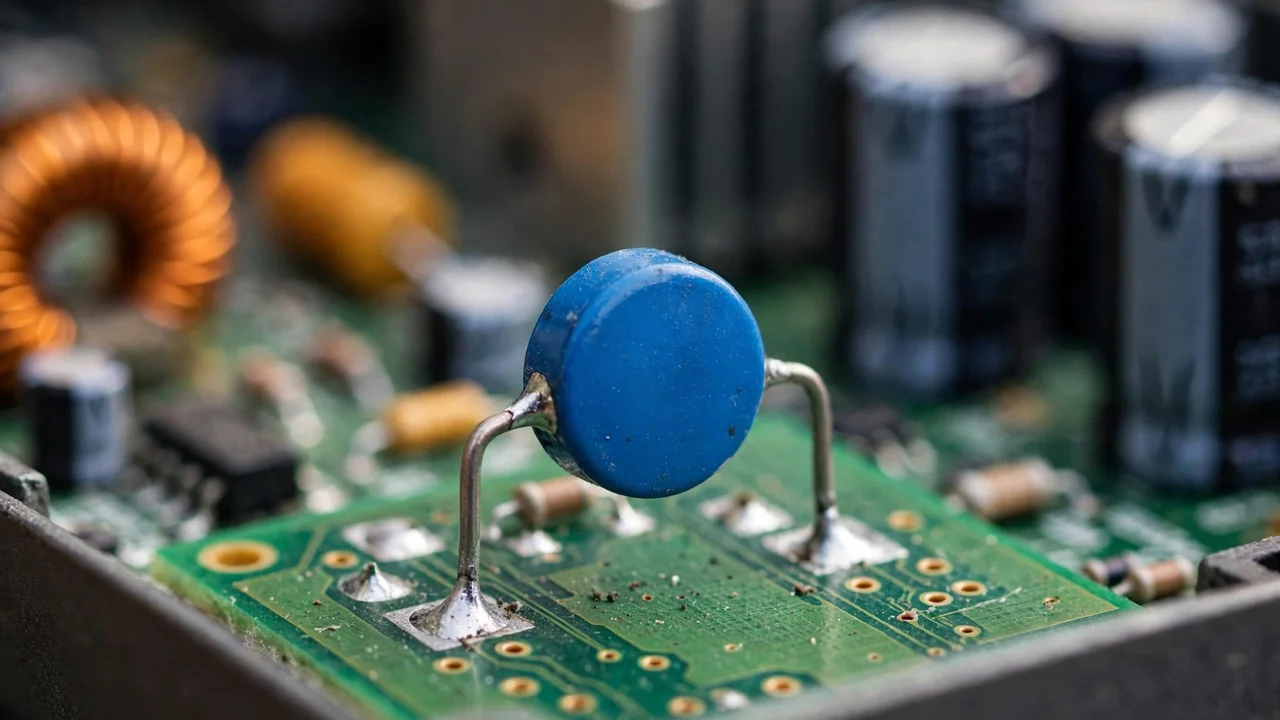
At SunTech Mall, we supply original electronic components across Pakistan, and the 10N471K varistor is one of the most important small parts a solar inverter can have. It is a surge protector the size of a coin, designed to absorb the voltage spikes that Pakistan’s grid and monsoon lightning throw at solar installations every year.
The fear every solar owner shares: your inverter is the heart of your system, and a single surge can stop it in a fraction of a second. Most owners never think about surge protection until the installer is quoting a repair bill. And many inverters — especially budget models — ship with minimal or no surge protection at all.
This guide explains what the 10N471K varistor does, why solar inverters specifically need it, where to install it, how to inspect and maintain it, and where to buy genuine ones in Pakistan. Whether you own a solar system or install them for a living, you will finish knowing exactly how to protect an inverter from surges.
Key takeaways
- 10N471K means: 10mm disc, 470V nominal varistor voltage, ±10% tolerance — made for 220–230V AC mains protection.
- A varistor sits in parallel across live and neutral. It does nothing in normal operation and clamps hard during a surge.
- Fit it across the AC input, after the input fuse, close to the entry terminals. Never fit an AC varistor across a DC solar string.
- Varistors wear out with every surge. Inspect yearly before monsoon season and replace after any severe nearby lightning strike.
- A fake surge protector is worse than none at all. Match the full part number and check the live price on the website.
What does the code 10N471K actually tell you?
Varistor part numbers follow a standard industry code. Once you learn it, you can read any varistor in seconds.
10 means a 10-millimetre disc. The number is the diameter of the metal-oxide disc. A 10mm varistor is a compact part — smaller than the 14mm and 20mm sizes, which means it absorbs less surge energy per event. It suits equipment-level protection inside the inverter rather than whole-panel protection.
471 means 470 volts nominal. The varistor voltage — measured at 1 milliamp — is 470 volts. This is the key number: it determines which line voltage the part protects. A 470V nominal varistor is the classic choice for 220–230V AC mains protection, because it stays completely off during normal operation but clamps decisively when a surge arrives.
K means plus or minus 10 percent tolerance. The actual turn-on voltage of any individual part falls within 10% of 470V.
So the full reading: a compact 10mm metal oxide varistor with a 470V nominal characteristic, made for protecting 220–230V AC circuits. The same decoding works for its bigger cousins — see our 20D561K varistor guide for the 20mm industrial version.
Bonus Tip: The “N” in some manufacturer series denotes the product family. What matters for selection is the size and the voltage code — 10mm, 471. Always match both when replacing.
| Code part | Meaning | Why it matters |
|---|---|---|
| 10 | 10mm disc diameter | Smaller disc = less surge energy per event; suits equipment-level protection |
| 471 | 470V nominal varistor voltage (at 1mA) | Matches 220–230V AC mains; stays off normally, clamps on surge |
| K | ±10% tolerance | Real turn-on voltage varies within 10% of 470V |
Why do solar inverters specifically need surge protection?
Solar inverters live a harder electrical life than almost any other home appliance, for three reasons.
They are always connected. Unlike a TV you can unplug during a storm, a solar inverter is hard-wired to both the solar panels and the grid or home wiring. When lightning strikes nearby, the surge has a direct copper path into the inverter through the AC lines — and through the long DC cables from the roof panels, which act like antennas.
Pakistan’s grid is surge-prone. Load-shedding switching, transformer faults, and loose neutral connections all generate voltage transients. Add the monsoon season’s intense lightning, and inverters in cities like Peshawar, Lahore, and Karachi face repeated surge exposure every year.
The damage is expensive. An inverter’s power stage uses costly components — IGBTs or MOSFETs, control boards, and driver circuits. A surge that punches through the input stage often destroys several of these at once. The repair bill can approach the cost of a smaller new unit, and the system produces nothing while it sits dead.
A varistor across the AC input is the first and cheapest line of defence. It does not make the inverter immortal, but it absorbs the everyday transients and moderate surges that would otherwise accumulate damage — or kill the unit outright in one bad night like those three Peshawar inverters.
Note: Surge protection works in layers. The varistor inside or at the inverter handles equipment-level surges; a proper surge protective device at the distribution board handles the bigger events. For choosing the inverter itself, see our solar inverter buying guide for Pakistan.
How does the 10N471K protect your inverter?
A metal oxide varistor is a voltage-dependent resistor. Under normal 220–230V mains voltage, it barely conducts — it is effectively invisible to the circuit. When a surge pushes the voltage above its threshold, its resistance collapses and it conducts heavily, shunting the excess energy away from the inverter’s sensitive electronics. When the surge passes, it switches off again.
Think of it as an automatic pressure relief valve: shut during normal pressure, wide open during a spike, closed again the moment danger passes. The inverter’s control board and power transistors never see the worst of the surge.
The varistor connects in parallel across the AC lines — across live and neutral at the inverter’s AC input or output. Because it is in parallel rather than in series, it does not affect normal operation at all. It only acts during the brief moments of overvoltage.
Every surge the varistor absorbs wears it down slightly. It is a consumable protector — which is why inspection and replacement, covered below, are part of owning one.
Where should you install it?
A varistor in the wrong place protects nothing. These rules apply whether you are repairing an inverter or adding protection to one that lacks it.
Across the AC input, after the fuse. The standard position is directly across live and neutral at the inverter’s mains input, immediately after the input fuse. The fuse placement is critical: varistors typically fail short-circuit, and the fuse must blow to disconnect power safely if that happens.
Close to the entry point. Mount the varistor near the AC terminal block with short leads. Long wires add inductance that slows the clamping response. The surge should meet the varistor before it travels across the board.
Consider the AC output too. In off-grid and hybrid installations, surges can also enter through the load side wiring. Installers protecting valuable systems often fit varistors on both the AC input and the AC output terminals.
DC side needs different parts. The 10N471K is an AC-line protector. Solar panel strings operate at high DC voltages that need appropriately rated DC surge protective devices. Do not fit an AC varistor across a PV string. This is a common and dangerous mistake.
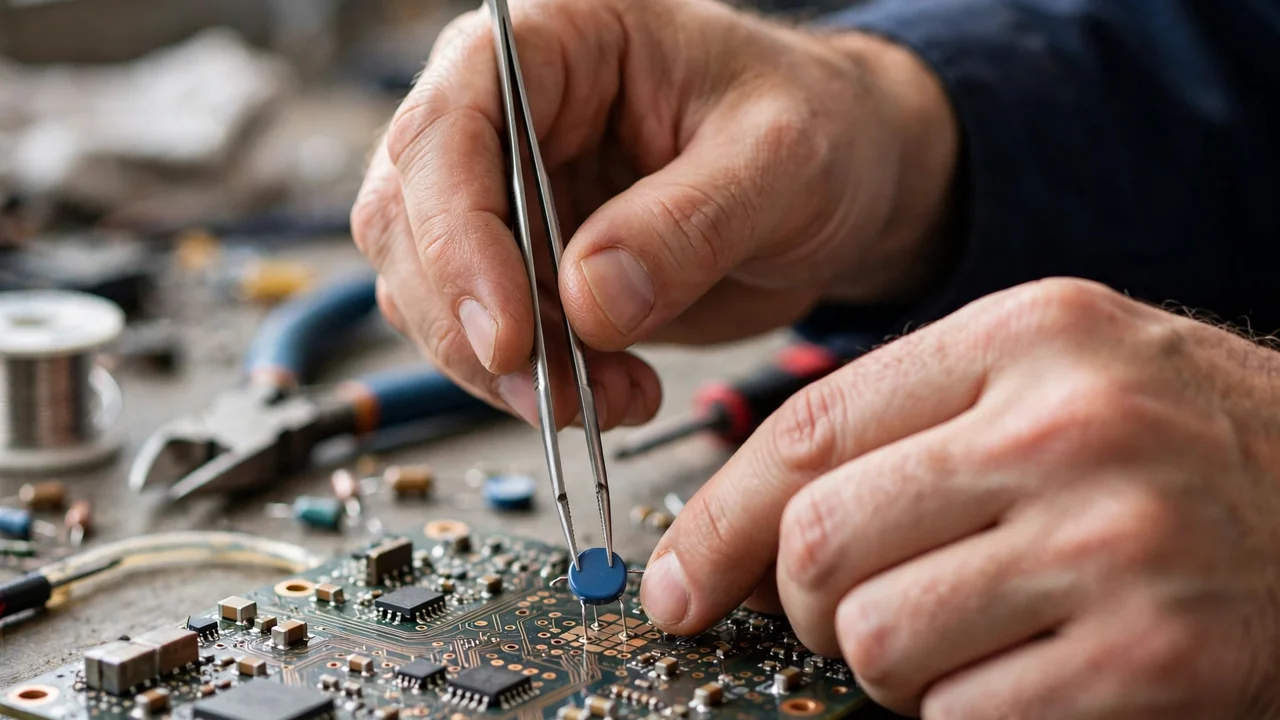
Bonus Tip: If you open a budget inverter and find no varistor at the AC input — just empty pads or a wire link where one should be — adding a 10N471K during any repair is one of the highest-value upgrades possible. It takes minutes and costs little.
How do you inspect and maintain surge protection?
Varistors do not last forever, and in Pakistan’s surge-heavy environment they earn their retirement. Build inspection into your maintenance routine.
Inspect visually every year. Before each monsoon season, check the varistor for cracked or discoloured coating, a burnt smell, or charring. Any visible damage means it has absorbed a severe event and must be replaced. It will not protect against the next one.
Replace after known severe events. If lightning struck nearby or the area suffered a major grid fault, replace the inverter’s varistors even if they look fine. Protection capability can be exhausted invisibly.
Check the fuse too. A blown input fuse with a shorted varistor tells a clear story: the protection did its job. Replace both. Never just the fuse, or the next surge meets an unprotected inverter.
Keep spares on the van. Installers in Peshawar, Lahore, and Karachi keep 10N471K varistors in their kits because surge season fills their schedules with dead inverters. A pocketful of the right varistors turns a return visit into a same-day fix.
Note: A quick multimeter check helps: a good varistor reads very high resistance (effectively open). A reading near zero ohms means it has failed short. But a meter cannot confirm remaining protection life. When in doubt after a severe storm, replace it.
How do you buy a genuine 10N471K in Pakistan?
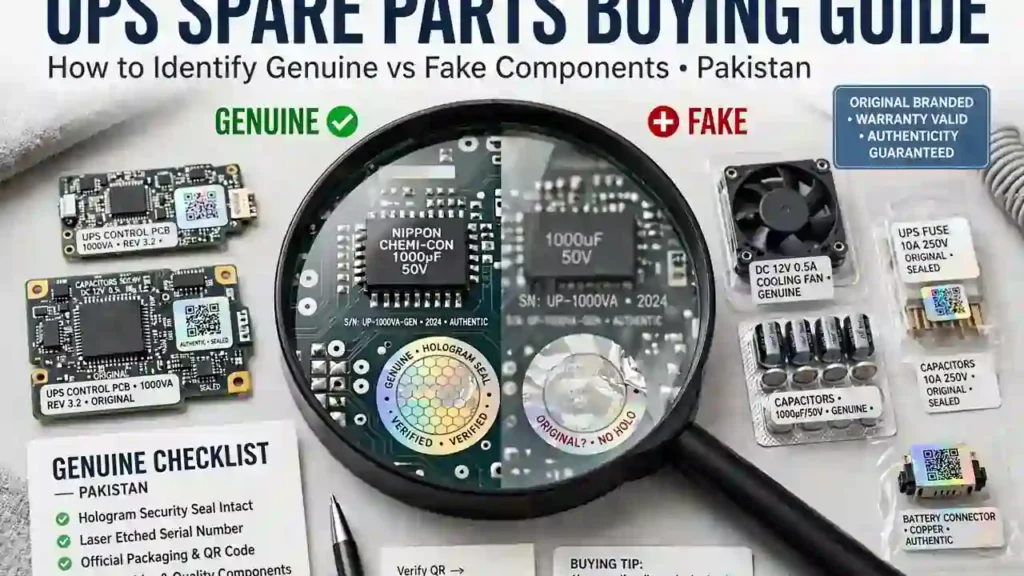
A fake surge protector is worse than none at all. It gives false confidence while protecting nothing. Here is how to buy right.
Buy from a component specialist. Specialists know their stock. General traders may hand you the wrong voltage code without realising it matters. Check the live price on SunTech Mall in the electronic parts range or on the homepage.
Verify the full marking. A genuine 10N471K carries crisp, legible printing on its epoxy body. Blurry or incomplete markings are a warning sign.
Match size and voltage code exactly. A 10D471K from another series may be equivalent, but a 10D561K or 14D471K is a different part. When replacing, match what the circuit was designed for.
Ask about bulk pricing honestly. If you are an installer buying for multiple systems, ask the supplier about quantity discounts — and check the live price on SunTech Mall before you commit anywhere. Prices move with supply and demand, so always confirm the live price rather than relying on old figures.
Related reading: our 20D561K varistor guide for heavier-duty protection, and our solar inverter buying guide for the equipment these parts protect.
Frequently asked questions
What does a 10N471K varistor do in a solar inverter?
It sits across the AC lines and absorbs voltage surges — from lightning, grid switching, and faults — before they can damage the inverter’s control board and power transistors. It is the inverter’s first line of surge defence.
What do the numbers 10N471K mean?
10 is the 10mm disc diameter, 471 means 470 volts nominal varistor voltage (measured at 1mA), and K means plus or minus 10% tolerance. It is designed for protecting 220–230V AC circuits.
Where exactly should the varistor be installed?
Across live and neutral at the inverter’s AC input, after the input fuse and close to the entry terminals. Many installers also protect the AC output side in off-grid and hybrid systems.
Can I use a 10N471K on the solar panel (DC) side?
No. The 10N471K is rated for AC line protection. PV strings run at high DC voltages and need appropriately rated DC surge protective devices. Fitting an AC varistor across a PV string is dangerous.
How do I know if the varistor is dead?
Look for cracked or burnt coating and smell for burning. With a multimeter, a good varistor reads very high resistance; near zero ohms means it has failed short. After a severe nearby lightning strike, replace it even if it looks fine.
How often should surge protection be checked?
Inspect visually at least once a year, ideally before monsoon season, and after any major storm or grid fault in your area. Varistors wear out with each surge they absorb.
Is the 10N471K the best varistor for every inverter?
Not for every case. It is the right size for equipment-level AC protection inside most home inverters. Larger systems, industrial panels, and whole-board protection need bigger parts — such as the 20mm class — with higher surge-energy ratings. Match the part to the circuit, not to a “best” label.
Verdict: is this tiny part worth your attention?
Those three dead inverters in Peshawar taught that installer — and me — a lasting lesson: the most expensive part of a solar system is not the panels or even the inverter. It is the downtime and repair bills that a small, inexpensive protector could have prevented. Surge protection is the least glamorous part of solar, and the one owners notice only when it is missing.
Congratulations — you now understand inverter surge protection better than most system owners. You know what the part number means, where the varistor goes, why the fuse matters, and how to inspect it before each monsoon.
If this guide helped you, share it with a fellow solar owner or installer. And when you need genuine 10N471K varistors — correctly marked, original parts — check the live price in the electronic parts section at SunTech Mall. Questions? Visit SunTech Mall and reach us through the website.
1 Comment
[…] shutdown, and well-designed cooling. Quality varistors on the AC input — like the 10N471K varistor we recommend for inverter protection — are part of that […]