


BZX84C18 Zener Diode: The Tiny 18V Part That Protects Big Circuits
Zener diodes play a crucial role in electronic circuits, offering reliable voltage regulation and protection against overvoltage conditions. Among the various options available, the BZX84C18-V Zener Diode stands out as an efficient…

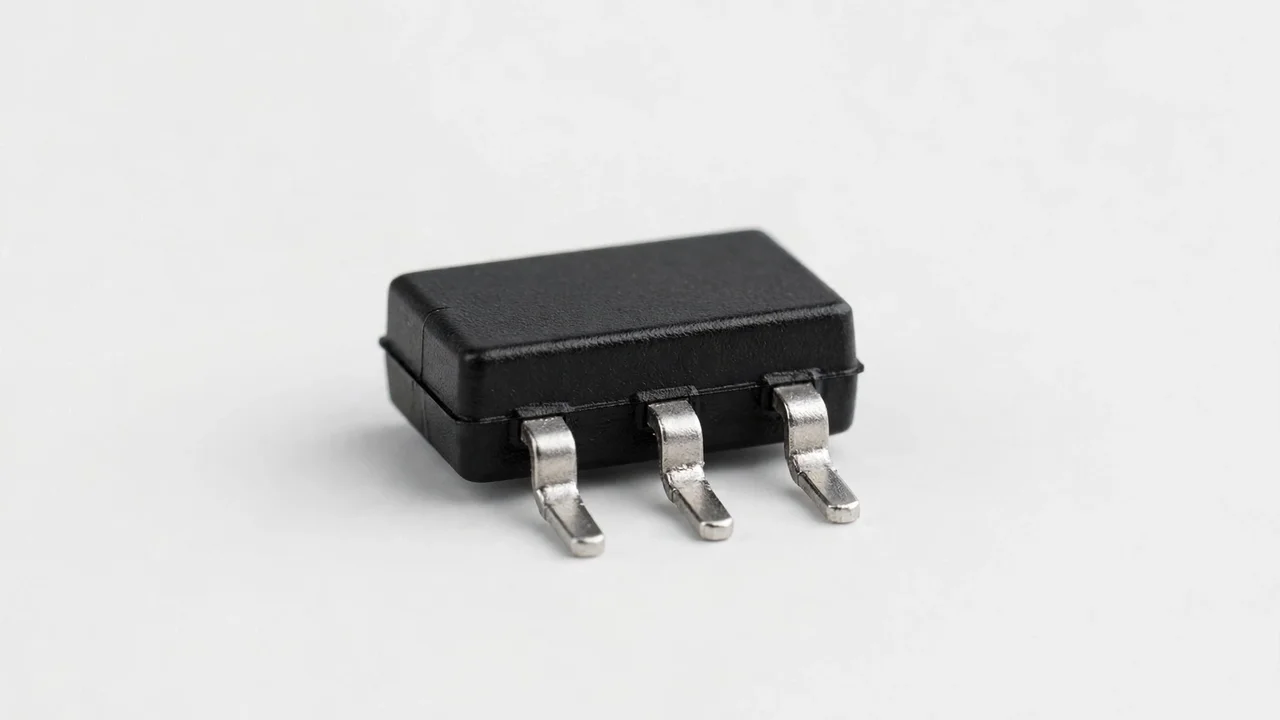
Dek: This guide explains what the BZX84C18 18V zener diode does, what its datasheet numbers mean, and how to test it in two simple steps.
Key takeaways
- The BZX84C18 is an 18V zener diode in a tiny SOT-23 package.
- The “C” means about ±5% tolerance. A reading from about 17.1V to 18.9V can still be correct.
- It is a small-signal part, rated at 250mW. It protects and references. It does not power heavy loads.
- Its best-known job is protecting MOSFET gates in inverters from voltage spikes.
- Test it with a resistor and a supply above 18V. A simple diode-mode test alone is not enough.
- Check the live price on the website. This guide does not quote a price, because prices change.
What does a zener diode actually do?
An ordinary diode lets current flow one way and blocks it the other way. A zener diode does that too. But it adds one clever trick in reverse.
In reverse, it blocks current until the voltage reaches its zener voltage. Then it starts to conduct, and it holds the voltage near that value. For the BZX84C18, that value is 18V.
Put 5V in reverse across it, and almost nothing flows. Raise the voltage to 18V, and it clamps there. That controlled clamping is the whole point of the part.
So one tiny part does two vital jobs. It gives you a stable voltage reference. And it protects other parts from spikes. When a spike arrives, the zener clamps it before it can do damage.
What do the letters and numbers in BZX84C18 mean?
- BZX84 is the series name. It is a family of small zener diodes in SOT-23 packages.
- C is the tolerance grade, about ±5%. The same series also comes in A (±1%) and B (±2%) grades.
- 18 is the nominal zener voltage, 18 volts.
That tolerance matters when you test. Your 18V part may read anywhere from about 17.1V to 18.9V and still be genuine. Do not throw away a good part because it reads 17.3V.
A note on markings: the “Y6” code you may see relates to maker-specific marking codes for the 18V value in SOT-23. Markings vary by maker. Always confirm against the supplier’s datasheet, rather than guessing from a code alone.
BZX84C18 specifications at a glance
Values below follow published BZX84-series datasheets. Note that some makers rate their own version slightly differently, for example at 300mW or 350mW. Always check the datasheet for the exact maker version you hold.
| Specification | Value |
|---|---|
| Nominal zener voltage | 18V |
| Tolerance grade (C) | About ±5% |
| Tolerance band | About 16.8V to 19.1V at the test current in the original guide’s datasheet notes |
| Test current for zener voltage | 5mA |
| Max power dissipation, standard versions | 250mW |
| Max zener impedance | 45 ohms |
| Max reverse leakage | 50 nanoamps at 12.6V reverse |
| Max forward voltage | 0.9V at 10mA |
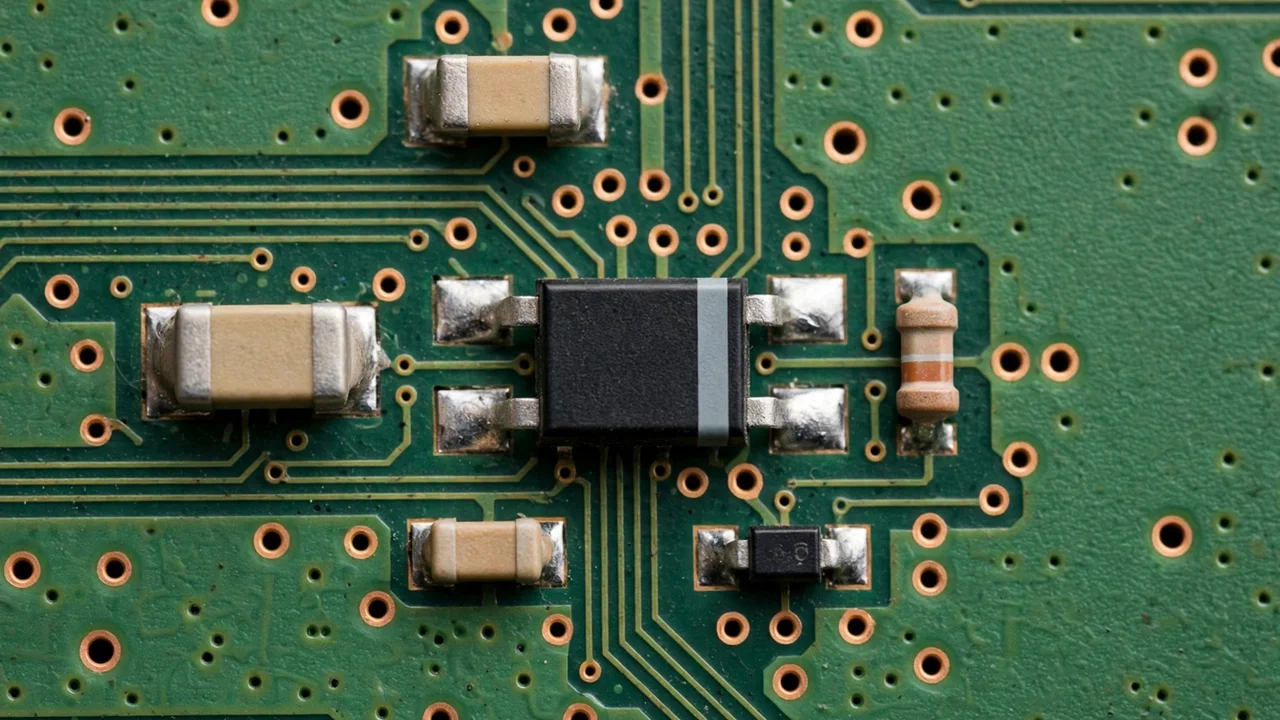
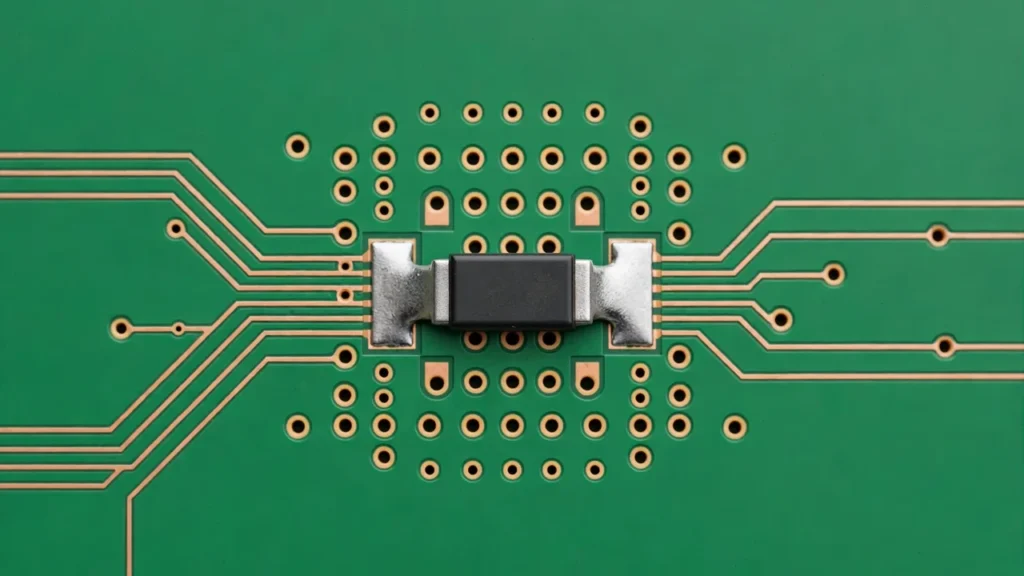
| Package | SOT-23, also called TO-236, about 2.9 by 1.3 mm |
| Operating temperature | −65°C to +150°C |
Sources: Nexperia BZX84-C18 listing and onsemi BZX84C18 listing, both confirming 18V, 45 ohms, 50nA at 12.6V, and 0.9V forward voltage.
Lower zener impedance means stiffer regulation. The voltage stays steadier as current changes. And that tiny leakage figure matters: below the zener knee, this diode barely leaks at all.
BZX84C18 vs its tolerance grades: which one should you pick?
| Grade | Tolerance | When to use it |
|---|---|---|
| BZX84A18 | ±1% | Precision references, where the exact voltage matters |
| BZX84B18 | ±2% | A middle step, tighter than C, cheaper than A |
| BZX84C18 | ±5% | General protection and regulation, where a small range is fine |
For most repair and protection jobs, the C grade is fine and cheaper. For a precision reference, pick the A grade instead.
Where is the BZX84C18 used?
Four jobs cover most uses:
- MOSFET gate protection. MOSFET gates are fragile. A zener between gate and source clamps spikes that would punch through the gate oxide. This is the job repair shops meet most often.
- Voltage references. Control circuits and comparators often need a known, stable point. An 18V zener can feed a divider or a regulator stage.
- Overvoltage protection on supply rails. Placed across a rail with a series fuse or resistor, the zener clamps surges and protects costly chips behind it.
- Signal clamping. In interface circuits, zeners keep signal voltages inside safe limits for the receiving chip.
How do you test a BZX84C18 properly?
A diode-mode test alone will fool you. It only checks forward conduction. You must also check the reverse regulation voltage. Here is how, in two steps.
Step 1: forward test. Use diode mode. Red probe to anode, black to cathode. Expect about 0.5 to 0.9V, like a normal diode. Reversed, expect OL. In SOT-23, identify the pins from the datasheet first. The part is tiny, so use tweezers, not fingers.
Step 2: zener voltage test. Connect a DC supply above 18V, for example 24V, through a 1k resistor to the zener’s cathode. Ground the anode. Measure across the zener. A good BZX84C18 reads about 18V, inside its tolerance band.
Check the maths before you test. With a 24V supply and an 18V zener, the resistor drops 6V. Through 1k, that is 6mA. That is safe for this part. Never connect a zener straight across a supply with no resistor. That is how zeners turn into smoke.
If a rail reads wrong and a zener sits on it, desolder one leg and test out of circuit. Parts in parallel lie to multimeters.
How do you pick the series resistor?
The resistor sets the current. Use this formula:
R = (Vsupply − Vzener) ÷ Itotal
Here, Itotal is zener current plus load current. Keep the zener current between about 1mA and the maximum set by the power rating.
Respect the 250mW limit. Maximum zener current is power divided by voltage: 0.25W ÷ 18V is about 14mA. For long life, design well under half of that. This part gives you a reference. For real load current, follow it with a transistor, or use a proper regulator chip.
Why does this tiny diode matter inside an inverter?
This link deserves special attention. In solar inverters and UPS units, power MOSFETs like the IRFB4115 switch large currents. Their gates are very sensitive to spikes. One spike above the gate’s maximum rating can destroy the device in an instant.
A zener between gate and source sits there quietly for years. It does nothing, until the one microsecond when it saves a MOSFET worth many times its own price.
So when MOSFETs fail again and again, do not just blame the MOSFETs. Check whether the gate protection zeners are present, correctly valued, and healthy. Also check the fast diodes in the driver and snubber circuits. Systems fail as systems. Repair them as systems.
For the full selection method for those power parts, read our power MOSFET selection guide.
How can you spot a wrong or fake part?
- Wrong voltage. The most common problem is a mislabelled or mixed reel. Test the zener voltage with the resistor method on first use from a new supplier. It takes two minutes and saves hours.
- Blurry markings or odd size. Genuine SOT-23 parts have crisp markings and consistent bodies. Poor soldering or uneven pins are warning signs.
- Wrong behaviour. A zener that regulates at the wrong voltage, leaks heavily below the knee, or drifts badly with heat is fake or damaged. Genuine parts are stable.
A simple buying habit helps: buy zeners in cut tape with visible part numbers, not loose bulk bags. Traceability is cheap insurance against wrong-value parts.
Frequently asked questions
What does the C in BZX84C18 mean?
It means about ±5% tolerance. The A grade is ±1% and the B grade is ±2%. For precision work, use A. For general protection, C is fine.
Can I use a BZX84C18 to power a circuit?
Only for tiny loads. With 250mW, it can safely supply roughly 10mA at 18V. For anything heavier, use it as a reference that drives a transistor, or use a proper regulator chip.
How is a zener diode different from a regular diode?
A regular diode is built never to break down in reverse. A zener is built to break down at one precise, controlled reverse voltage, and to survive it. That controlled breakdown is what you use for regulation and protection.
My 18V zener reads 17.3V. Is it faulty?
Probably not. With ±5% tolerance, anything from about 17.1V to 18.9V is in spec. Only readings far outside that band, or a part that will not regulate at all, point to a fault.
Can a zener diode fail shorted?
Yes, and it often does after a surge beyond its ratings. A shorted zener drags its rail down. It often blows the series resistor or fuse. If you find a burnt resistor near a zener, test the zener before you replace the resistor.
Where can I buy a genuine BZX84C18 in Pakistan?
SunTech Mall stocks original small-signal parts, including zener diodes. Check the live price and availability in our electronic parts section, or reach us through the website. You can also message us on WhatsApp via the website for help.
Verdict: a small part worth your respect
The BZX84C18 is easy to overlook and hard to live without. Its precise 18V clamping protects MOSFET gates, steadies references, and guards rails across countless control boards, including the boards inside solar inverters.
Now you know its real specs, how to test it properly, and how to use it without smoke. Remember the deeper lesson: in repair work, the smallest parts deserve the same respect as the biggest. A rice-grain diode can hold a whole system hostage.
For related reading, see our IRFB4115 MOSFET guide, our home solar installation guide, and our hybrid inverter guide. Browse parts in our solar energy collection.
2 Comments
[…] price and availability on the website in our electronic parts section. For related reading, see our BZX84C18 zener diode guide and our chopper transformer guide, which shows where fast diodes work in auxiliary […]
[…] protection matters too. A small 18V zener diode like the BZX84C18 can clamp spikes that would punch through a MOSFET gate. Check those small protection parts […]