
Pakistani Local Solar Inverter Spare Parts – Easy Repair Guide
An easy guide to Pakistani local solar inverter spare parts. Learn how local solar inverters are repaired using simple spare parts.

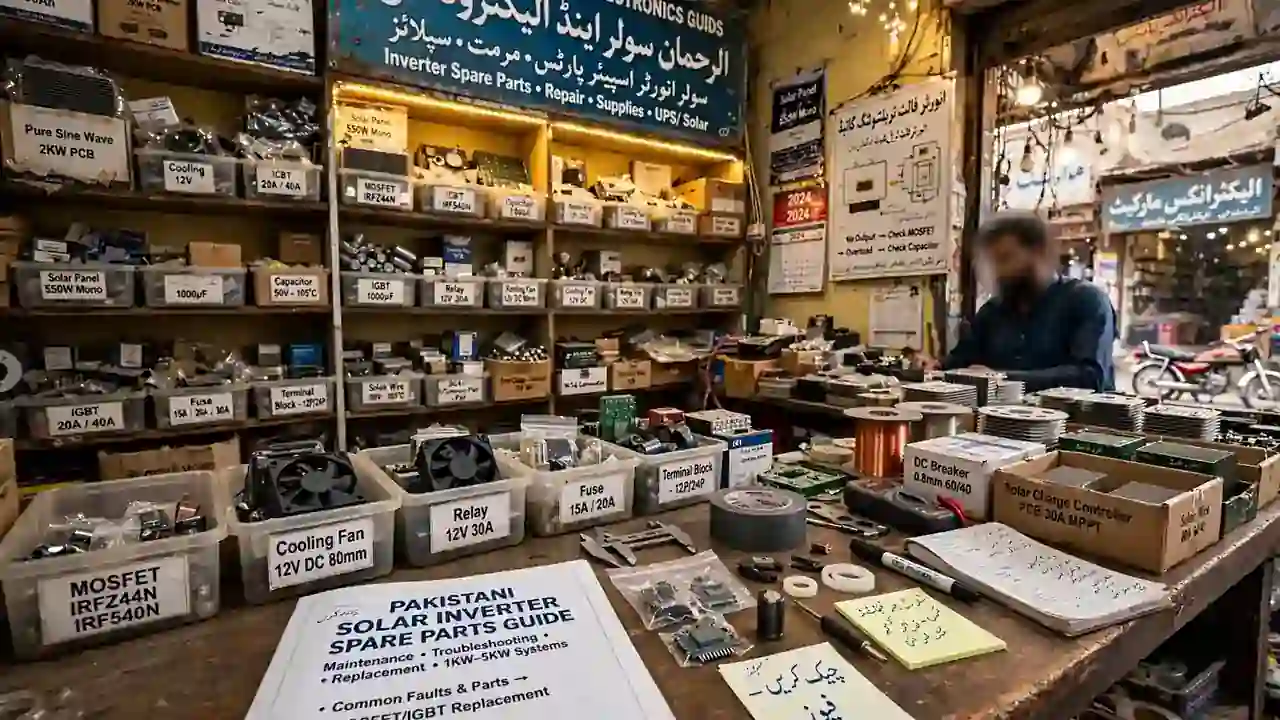
Walk through any electronics market in Pakistan and you will see them. Locally made solar inverters, built by Pakistani workshops, running homes and shops everywhere. These desi inverters are the backbone of backup power for thousands of families. I work with SunTech Mall, supplying original spare parts to the repair shops that fix these inverters daily. We see which parts fail, which replacements work, and which mistakes waste money. The sad part is that many owners pay for repeat repairs simply because the wrong part was used. This guide explains local solar inverter spare parts in the simplest possible words. You will learn what each part does, how to tell when it fails, and where to find genuine replacements. Let us start with what makes these inverters special.
Why this matters: a local inverter repaired with the right part can run for many more years. The same inverter repaired with the wrong part will be back at the shop within weeks.
What You Will Learn in This Guide
- Understand what makes a local solar inverter different
- Meet the key spare parts inside your inverter
- Recognize when each part starts failing
- Choose the correct replacement part every time
- Find genuine parts without market confusion
- Repair safely with professional habits
Understand What Makes a Local Solar Inverter Different
Local solar inverters are designed and assembled in Pakistan, often in small workshops. They use simple, proven circuits based on UPS technology that local technicians have understood for decades. This simplicity is their greatest strength.
Unlike imported inverters with sealed boards and proprietary chips, local inverters use standard components. Almost every part is replaceable, which means almost every failure is repairable. This keeps repair costs low and turnaround times short.
Note: “Local” does not mean low quality. Many Pakistani workshops build excellent inverters. The difference from imported brands is in features and efficiency, not necessarily in durability.
Meet the Power Parts: MOSFETs and Transistors
Open a local inverter and the largest components on the heat sink are the power MOSFETs or transistors. These are the muscles of the inverter. They switch electrical current thousands of times per second to create AC power from DC battery power. Every watt your home uses passes through these parts.
Because they handle so much power, they run hot. Heat is their enemy. When cooling fails or the inverter is overloaded, MOSFETs are usually the first parts to die. A burned MOSFET often shows visible damage, blackened casing or a cracked body. Sometimes the damage is invisible, and only testing reveals the fault.
When replacing power parts, the replacement must match the original specifications. Voltage rating, current rating, and switching speed all matter. Using a weaker MOSFET will cause it to burn again quickly. Learn how to choose the right MOSFET before buying. If a MOSFET burned out, always check why it burned. Our MOSFET burn guide explains the root causes.
Bonus Tip: When one MOSFET in a parallel group fails, experienced technicians replace the whole group. The surviving MOSFETs have been stressed too, and they often fail soon after. Replacing the set prevents repeat visits.
Meet the Transformer: The Heart of Power Delivery
The transformer is the heavy iron-and-copper component that steps voltage up or down. In local inverters, it takes the switched power from the MOSFETs and produces clean 220-volt AC for your home. It also provides electrical isolation, which is a safety feature.
Transformers are tough and rarely fail suddenly. When they do fail, the symptoms are clear. Output voltage becomes unstable. The inverter hums much louder than normal. In severe cases, you may smell burning varnish from overheated windings. A weak transformer gives weak, unstable power.
The good news is that transformers can often be rewound by local experts instead of replaced. A skilled winder can rebuild the coils to original specifications. This is usually cheaper than buying new. However, rewinding quality varies. A poorly wound transformer runs hot and wastes power. Choose a reputed winder or buy a factory-made replacement from a trusted supplier.
Meet the Charging Section: Cards and Components
The charging section manages how your batteries get charged from solar panels or the grid. In many local inverters, this is a separate card or module. It controls charging voltage and current to keep batteries healthy.
When the charging section fails, batteries suffer first. They may not charge fully, leaving you with short backup time. Or they may overcharge, which boils away water and damages plates. Battery problems often trace back to a faulty charging section, not the batteries themselves.
Charging cards for popular local models are widely available. Match the card to your exact inverter model. A card designed for a different model may have wrong charging voltages. Before replacing the card, check the simpler possibilities too. Blown fuses, loose connectors, and damaged wiring cause identical symptoms. Our complete repair guide walks through systematic diagnosis.
Meet the Cooling Fan: Small Part, Big Job
The cooling fan looks unimportant next to big transformers and MOSFETs. Do not be fooled. Without working cooling, a local inverter will overheat and shut down, especially in summer. The fan is the cheapest part in the inverter and one of the most critical.
Fans fail in predictable ways. They get noisy as bearings wear out. They slow down as dust builds up. Eventually they stop completely. A silent fan on a hot inverter is an emergency. Replace it immediately before heat damages expensive parts.
Replacement fans are inexpensive and easy to find. Match the size, voltage, and airflow direction of the original. Installing a fan that blows the wrong way is a surprisingly common mistake. Check the arrow printed on the fan frame that shows airflow direction. Keep a spare fan if your inverter runs in a hot location. For more on heat protection, read our overheating prevention guide.
Meet the Control Section: The Brain
The control section is the circuit board with small ICs, resistors, capacitors, and diodes. It tells every other part what to do. It monitors battery voltage, controls the MOSFET switching, manages charging, and triggers protections when something goes wrong.
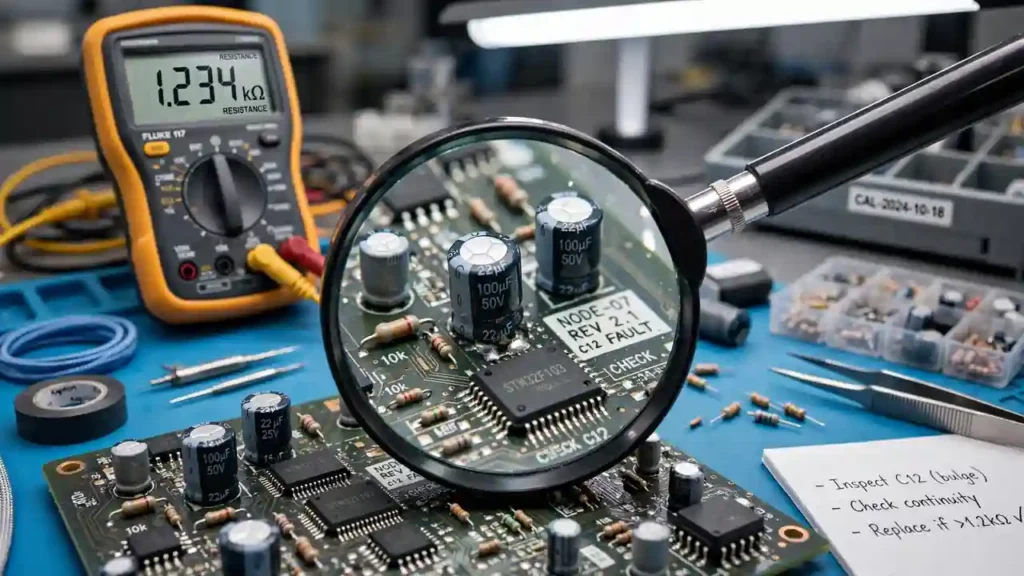
Control section failures cause confusing symptoms. The inverter may behave erratically, work sometimes and fail other times. Error indicators may blink without clear meaning. Intermittent faults often live in the control section. Heat, dust, and moisture are its enemies. A single swollen capacitor on the control board can cause bizarre behavior across the whole inverter.
Repairing control boards needs skill and patience. Technicians test components one by one with a multimeter. Common culprits include dried capacitors, cracked solder joints, and failed driver ICs. Learn how to identify faulty components to understand the process. For popular models, complete replacement control cards are available, which is faster than component-level repair.
Bonus Tip: Before condemning a control board, check all connectors and ribbon cables. Loose connections cause symptoms identical to board failure, and they cost nothing to fix.
How to Choose the Correct Replacement Part
Choosing the right part is the most important repair skill. A wrong part wastes money and can damage the inverter further. Follow these steps every time.
- Read the part number. Every component has markings. Write down the full number exactly as printed. One wrong letter means a different part.
- Note the specifications. For MOSFETs, note voltage and current ratings. For capacitors, note capacitance and voltage. For transformers, note the model and VA rating.
- Photograph the part. Take clear photos from multiple angles before removing anything. Photos help suppliers confirm compatibility.
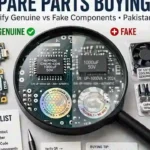
- Buy from trusted sources. Markets have genuine parts and fakes side by side. A fake MOSFET costs less but burns within weeks.
- Test before final assembly. After replacing parts, test with a small load first. Confirm stable operation before connecting full load.
When in doubt, ask. Reputable suppliers help you match parts to your inverter model. At SunTech Mall, we deal with these components daily and can guide you to the correct replacement. Browse our electronic parts collection or the MOSFET section for genuine components.
Understanding Repair Costs the Smart Way
Repair costs depend on which part failed. Small parts like fans, fuses, and capacitors cost the least. Power MOSFETs cost more, especially when a full set needs replacement. Transformers and control cards are the bigger expenses. Board-level repairs requiring technician labor add to the total.
Think in proportions, not exact numbers, because prices change with the market. A fan replacement costs a fraction of a control card replacement. Catching a cooling problem early saves you from paying for power stage repairs later.
Always get a clear diagnosis before approving expensive repairs. Ask the technician which part failed and why. A trustworthy technician explains the fault and shows you the damaged component. If the repair cost approaches the price of a new inverter, replacement may make more sense. But for most local inverters, repair is the economical choice.
Repair Safely: Non-Negotiable Rules
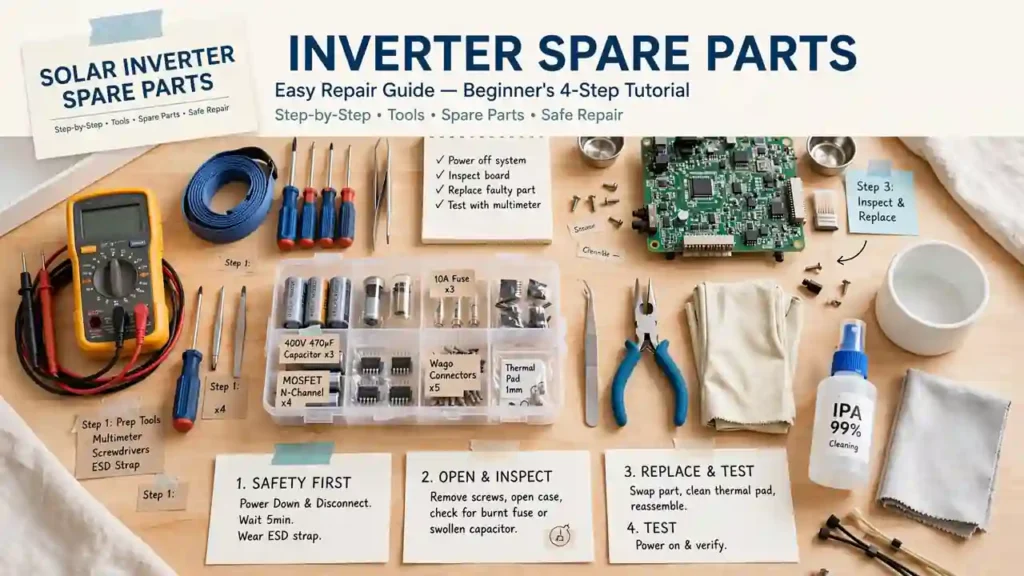
Safety first, always. Disconnect all power sources before opening an inverter. This means solar panels, batteries, and grid input. All of them. Large capacitors hold deadly charge even after everything is disconnected. Wait several minutes and discharge them carefully if you know how. If you do not know how, do not open the unit.
Work in a dry, well-lit area with insulated tools. Document everything before disconnecting. Photograph wire positions from multiple angles. Label connectors if needed. This discipline separates professional repairs from guesswork.
Never work on live circuits unless you are trained and equipped. Never bypass fuses or protection devices to “test” something. These protections exist to prevent fires. If any step feels uncertain, stop and consult an experienced technician. No repair is worth an injury.
Note: If you are a shop owner training new technicians, make safety the first lesson, not the last. Good safety habits protect your workers and your business reputation.
Where to Find Genuine Spare Parts
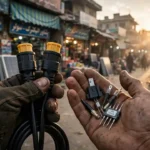
Local electronics markets stock common inverter parts, but quality varies wildly. Genuine and counterfeit components sit on adjacent shelves. Telling them apart needs experience. Buying from a specialized supplier removes this gamble.
SunTech Mall stocks original spare parts for local inverter models with clear descriptions and nationwide delivery across Pakistan. Whether you need commonly used spare parts, MOSFETs, capacitors, fans, or control cards, you get genuine components that match specifications. This matters because a single fake part can undo an entire repair.
For repair shops, a reliable parts supplier is a business advantage. Faster parts sourcing means faster turnaround and happier customers. Explore the spare parts collection to stock your workshop.
Frequently Asked Questions
Are local inverters as good as imported ones?
For basic backup needs, quality local inverters perform well and are much easier to repair. Imported brands may offer higher efficiency and more features. The right choice depends on your budget and requirements. Many Pakistani families find local inverters perfectly adequate for daily use.
Why do local inverters fail more in summer?
Heat is the main reason. Power components work harder in high temperatures, and dust blocks cooling. Poor ventilation makes everything worse. Keeping the inverter clean, cool, and well-ventilated significantly reduces summer failures. Regular maintenance is the key.
Can I upgrade my local UPS to work with solar panels?
Many local UPS units can be adapted for solar with additional charge controllers and panels. However, the modification should be done by someone who understands both systems. Improper upgrades can damage the UPS or create safety hazards. Consult an experienced technician before attempting this.
How do I know which part has failed in my inverter?
Start with symptoms. No output at all often points to the power stage or fuses. Unstable output suggests transformer or control issues. Battery not charging points to the charging section. Visual inspection for burnt or swollen parts comes next. Systematic testing with a multimeter confirms the fault. Our repair guide explains the process step by step.
Is it worth repairing an old local inverter?
Usually yes. Local inverters are designed for repair, and most failures involve replaceable parts. Compare the repair estimate against a new unit’s price. If repair costs less than half of replacement and the transformer is healthy, repair is the smart choice. A well-repaired local inverter can serve for many more years.
Where can I learn inverter repair properly?
Start with basic electronics knowledge, then learn from experienced technicians. Many shops take apprentices. Online resources and our detailed guides help build understanding. Practice on dead units before touching customer equipment. Patience and systematic thinking matter more than speed.
Final Thoughts
Local solar inverters are one of Pakistan’s quiet success stories. Built by local hands, repaired by local technicians, keeping homes lit through load shedding. They deserve proper parts when they need repair.
Understanding the parts inside your inverter turns you from a helpless owner into an informed one. You will communicate better with technicians and make smarter decisions about repair versus replacement.
And when parts are needed, remember that SunTech Mall stands behind Pakistan’s repair community with original spare parts, honest descriptions, and delivery across the country. We supply the workshops that keep these inverters running. Visit our shop or follow us for repair tips and updates. Together, we keep Pakistan powered.
2 Comments
[…] our genuine hybrid solar inverter parts collection or explore local solar inverter spare parts to see what is in stock right […]
[…] Local Solar Inverter Spare Parts in Pakistan […]