



2SC2655 NPN Transistor SOT-89 in pakistan
In the world of electronics, the 2SC2655 NPN transistor SOT-89 has become a crucial component in many circuit designs. This small yet powerful transistor plays a key role in switching and amplifying…

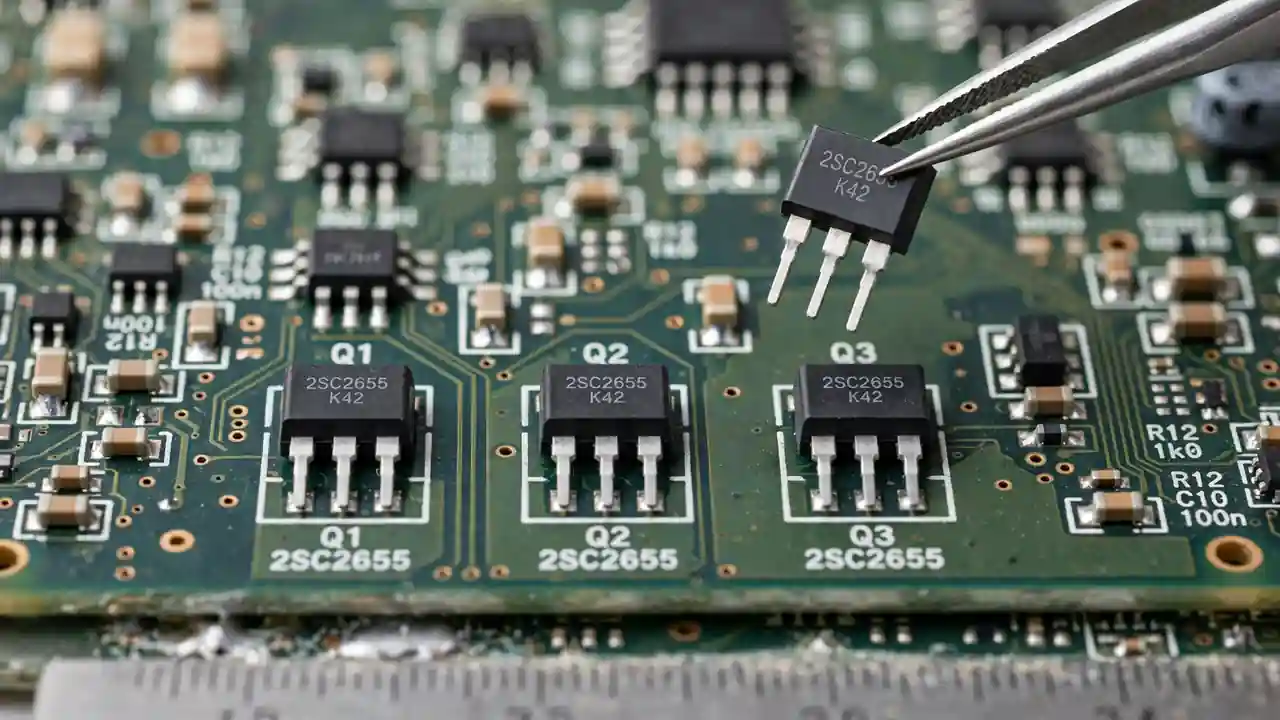
The dead part on the repair bench was smaller than a grain of rice. A customer had brought in a device that refused to switch on, and the technician pointed at a tiny black component with three legs: “This little fellow is the whole problem.” That was my first meeting with a small-signal transistor.
Since then I have spent years around electronic parts, watching technicians diagnose boards. Transistors top the list of small parts that cause big headaches: cheap, everywhere, and when one dies, the whole device can go silent.
If you are searching for the 2SC2655 NPN transistor in SOT-89 package, you probably have one of three worries: you are repairing a board and need to know what this part does, you fear buying a fake or the wrong package, or transistors still feel like magic. This guide settles all three.
My promise: by the end of this article you will understand what an NPN transistor does, what makes the 2SC2655 and its SOT-89 package special, how to test one with a multimeter, how to solder it, and how to buy genuine parts in Pakistan. No engineering degree needed.
Let us start with the big idea, and build from there.
An honest word first: SunTech Mall sells electronic components, but this guide is written to make you independent. The testing method, soldering tips, and buying checklist work wherever you shop. A transistor costs very little; a wrong one costs you hours. My goal is to save you those hours.
What You Will Learn in This Guide
- Understand what an NPN transistor does using a simple water-tap comparison
- Learn what the 2SC2655 is and why the SOT-89 package matters
- Test any small transistor with a cheap multimeter in under a minute
- Solder tiny SOT-89 parts by hand without burning them
- Spot the common mistakes that kill transistors in real circuits
- Buy genuine 2SC2655 transistors in Pakistan with confidence
What Does an NPN Transistor Actually Do?
Forget the textbook definition for a minute. Think of a water tap. A tiny twist of the handle controls a big flow of water. An NPN transistor works the same way with electricity: a small current at its base controls a larger current flowing between its collector and emitter. That is the whole magic. Small in, big out.
This one trick gives the transistor two jobs. As an amplifier, it takes a weak signal, like from a microphone, and makes it strong enough to drive a speaker. As a switch, it turns a bigger current on and off, like a relay with no moving parts. Your remote control, phone charger, and LED driver all use transistors this way.
The three legs have names you should know: the base is the control leg, the collector is where the main current enters, and the emitter is where it leaves. In an NPN transistor, the base needs a small positive push to open the gate between collector and emitter. No push, no flow. Push, and current flows. Simple as a tap.
The letters NPN describe the sandwich of materials inside: negative, positive, negative. Its cousin, the PNP transistor, is the mirror image. For most small-signal jobs in consumer electronics, NPN types like the 2SC2655 are the more common choice, which is why you keep meeting them.
Meet the 2SC2655 and Its SOT-89 Package
The 2SC2655 is a small-signal NPN transistor, the kind used for low-power amplification and switching in everyday electronics. You will find parts like it in audio circuits, sensor modules, small power supplies, remote controls, and all sorts of consumer gadgets. It is a workhorse, not a showpiece.
What makes it interesting is the SOT-89 package: a surface-mount package that sits on top of the board instead of poking legs through holes. It has three small legs and one wide metal tab. That tab spreads heat away from the tiny chip inside, which is why SOT-89 parts handle a bit more power than their size suggests.
Package matters as much as the part number. The same transistor in a different package has its legs in different places. The board you are repairing was designed for the flat little SOT-89, so double-check before accepting any other package.
One practical note: on most SOT-89 NPN transistors the wide metal tab is connected to the collector, so it is live when the circuit runs and must not touch anything it should not. Glance at the datasheet pinout before soldering. Thirty seconds of checking beats an hour of debugging.
Note: I am deliberately not quoting exact voltage and current numbers here. Different manufacturers print slightly different ratings, and a number from memory could mislead you. For exact limits, check the datasheet of the specific brand you buy. The qualitative facts above, small-signal NPN, SOT-89 surface-mount, tab tied to collector, apply across the board.
How to Test a 2SC2655 With a Multimeter
A repair technician once told me that half his job is just proving which part is dead. A five-rupee transistor can silence a five-thousand-rupee device, and the multimeter is how you catch it. Here is the test, and it takes less than a minute.
Set your multimeter to diode mode. A transistor is two diodes sharing one leg, the base. Touch red to the base and black to the emitter: a good NPN shows roughly 0.6 to 0.7 volts. Keep red on the base, move black to the collector: roughly 0.6 to 0.7 volts again.
Now reverse the probes, black on base. Both junctions should read open. Test collector to emitter both ways: open. Near zero between any two legs, or base junctions open both ways, means a dead transistor.
Test with the part out of the circuit. On-board testing fools you because surrounding components confuse the readings. Desolder and test on the bench for a reliable verdict.
Bonus Tip: Test the replacement part before you solder it in. It takes thirty seconds and saves you from the special pain of installing a brand-new dead transistor and then debugging a circuit that was never the problem.
Soldering SOT-89 by Hand Without Fear
The first time I saw an SOT-89 part, I thought only machines could solder something that small. Then a technician showed me it takes about ten seconds with a normal soldering iron. Here is his method, and it works.
Put a tiny bit of solder on one board pad. Hold the transistor with tweezers and tack one leg down. Check alignment, then solder the other two legs with quick touches. The metal tab solders last with a little extra heat.
Two rules keep you safe. Work quickly. Touch, flow, lift. Lingering heat is what kills small parts. And use a fine tip and thin solder. Thick solder wire dumps too much metal on tiny pads and bridges the legs together. If you do bridge two legs, do not panic. Touch the bridge with a clean hot iron and it will usually wick away.
If the board also has big power parts nearby, like the cement resistors in our 33 ohm 5W cement resistor guide, solder the small sensitive parts first and the big hot parts last. That way you are not reheating delicate transistors while wrestling with chunky components.
Where the 2SC2655 Gets Used
Small-signal transistors are the invisible workers of electronics: audio preamplifier stages boosting weak signals, switching circuits turning LEDs, relays, and small motors on and off, and voltage regulators and sensor modules keeping things stable.
In repair work, these transistors often die because a bigger part failed first and sent a surge through them. When you find a dead one, ask what killed it and check the larger components around it. Our 2SK3878 MOSFET repair guide shows the other side of that story.
For builders, the 2SC2655 is a friendly part for learning. It is cheap enough that mistakes do not hurt, and forgiving enough that small wiring errors usually just mean the circuit does not work, not that something explodes. Every electronics learner should burn through a handful of cheap transistors. It is tuition, and it is cheap tuition.
Buying Genuine Parts in Pakistan
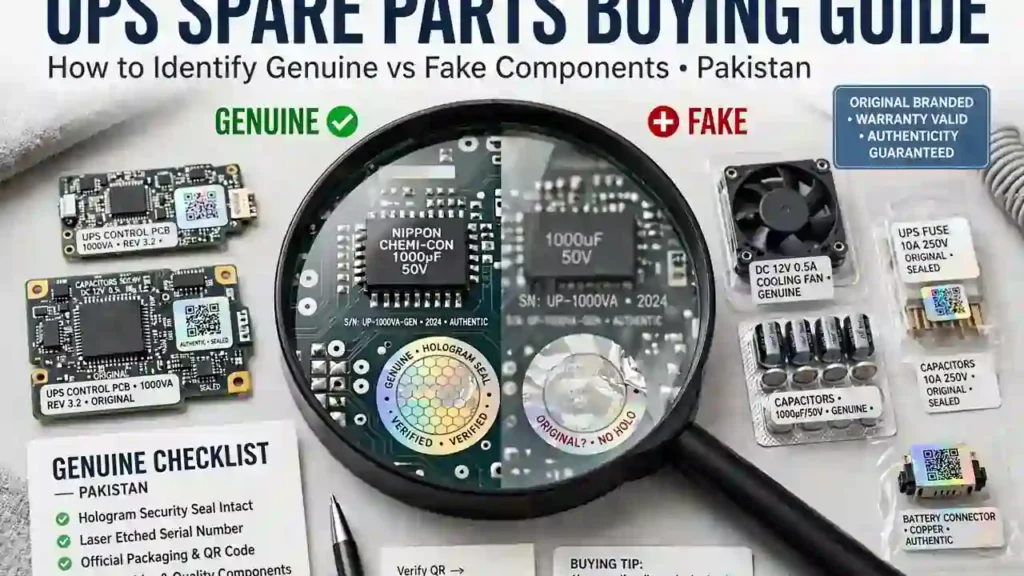
Popular part numbers get faked. A fake might look right but run hot or die in a week. The defense is a simple checklist.
First, buy the exact package. You need SOT-89, surface-mount, three legs plus the tab. Second, buy from a seller who knows the part. If the shopkeeper cannot tell you the package or the polarity, keep walking. Third, test on arrival with the diode test from this guide. It takes a minute and catches most fakes and dead stock.
At SunTech Mall, our electronic parts are checked before dispatch, because a fake transistor can cost a technician a whole day. Order with the part number and package confirmed before anything ships.
And if your project touches solar power, take a look at our electrical and solar section. Many repair technicians who buy small transistors also work on inverters, and our guides like the 8KW solar inverter buying guide and the Charsadda solar guide will help you understand the bigger systems these little parts live inside.
Frequently Asked Questions
What is the difference between NPN and PNP transistors?
They are mirror images. In an NPN transistor, a small positive current at the base switches on the main current flowing from collector to emitter. In a PNP, a small current flowing out of the base switches on current flowing from emitter to collector. The circuits around them are wired differently, so you cannot swap one for the other without redesigning.
Can I replace a 2SC2655 with a BC547?
Both are small-signal NPN transistors, so electrically they are cousins. But the BC547 comes in a through-hole TO-92 package while the 2SC2655 is SOT-89 surface-mount, so the pin positions and mounting are completely different. On a board designed for SOT-89, a BC547 will not fit without creative wiring. Always match the package to the board.
How do I know if my transistor is dead without removing it?
You can get hints, like a device that will not switch on or a stage with no output, but you cannot be sure while it is soldered in, because surrounding components confuse the meter readings. For a reliable verdict, desolder it and run the diode test on the bench.
Why is my amplifier stage not amplifying?
Check the basics first: is the transistor getting power, is the base receiving its small control signal, and are the surrounding resistors intact? A dead transistor is one suspect, but a burnt bias resistor or a broken solder joint is just as common. Test the transistor with the diode method to rule it in or out quickly.
Can I solder SOT-89 parts with a normal soldering iron?
Yes. You do not need expensive equipment. A normal iron with a reasonably fine tip, thin solder, and a pair of tweezers is enough. Tack one leg, check alignment, solder the rest, and keep each touch brief. Beginners get it right on the second or third try.
Do transistors have a shelf life?
Practically speaking, no. A transistor stored dry at room temperature lasts for decades. What kills them is heat, voltage spikes, and moisture during soldering. Buy from a seller who stores parts properly, test on arrival, and you are fine.
Final Thoughts
You started this guide maybe nervous about a part smaller than a grain of rice. Now you know what an NPN transistor does, why the 2SC2655 wears an SOT-89 package, how to test one in under a minute, how to solder it by hand, and how to buy genuine parts in Pakistan.
So congratulations. The next dead board on your bench is not a mystery anymore. Keep testing, keep learning, and keep that multimeter close.
If you need genuine 2SC2655 transistors or any other electronic parts, SunTech Mall is ready to help. Send us the part number and package on WhatsApp at +92 306 2244820 or email info@suntechmall.com, and we will confirm exactly what you are getting before it ships. The right part, the first time, every time.
2 Comments
[…] heating can crack the cement body. If you are new to soldering, practice on scrap wire first. Our 2SC2655 transistor guide has tips for soldering small packages on the same […]
[…] controls a much bigger flow between the drain and the source. Unlike the small transistor in our 2SC2655 guide, which handles delicate signals, a power MOSFET handles the muscle work: big voltages and currents, […]