

Suntech TFT-8KW Day Solar Inverter: A Buying Guide for Peshawar
The panels are the easy part. The inverter is the box that decides whether your system works. This guide helps you choose it with confidence.

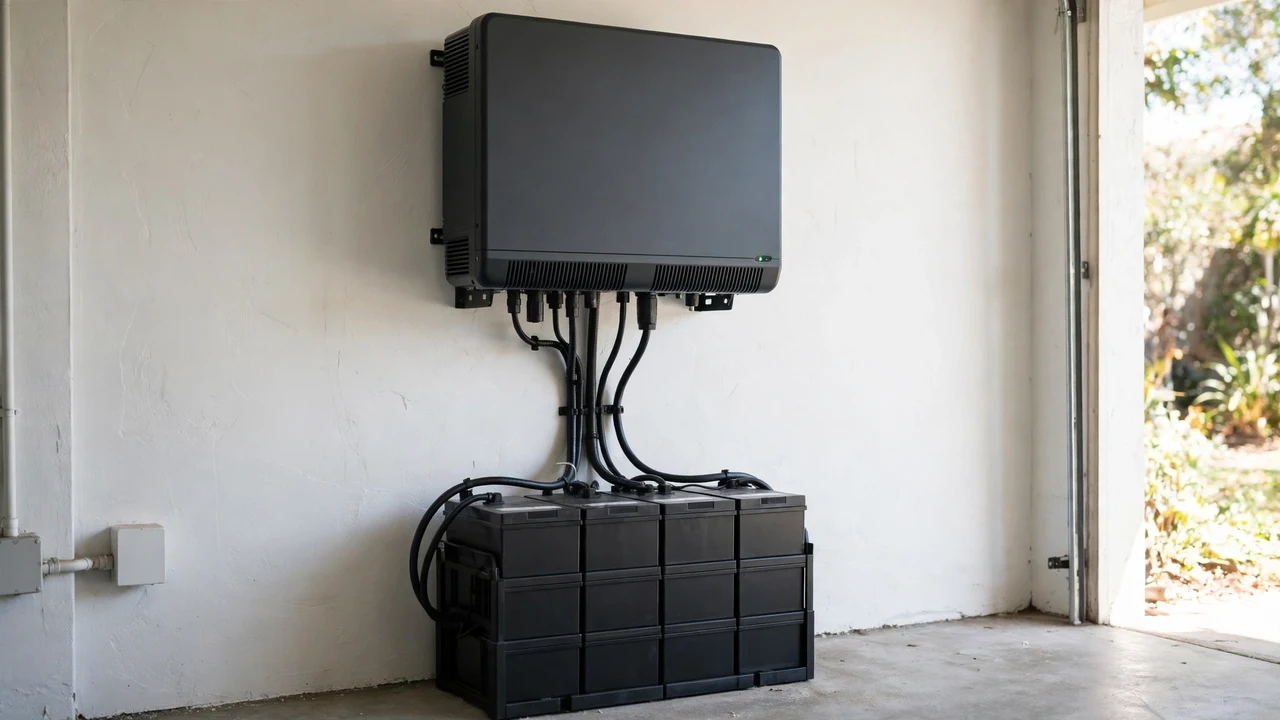
The panels are the easy part. The inverter is the box that decides whether your system works. This guide helps you choose it with confidence.
Key Takeaways
- An 8KW inverter can handle up to 8,000 watts at once, but only while your panels supply that power.
- A day solar inverter works best in daylight. At night it needs the grid, batteries, or net-metering credit.
- Size your system from your real appliance list, not from your neighbour’s system.
- Ask seven questions before you pay: warranty, net metering, panels and wiring, installer, after-sales support, a working demo, and total system cost.
- Check the live price on the website. This guide gives no fixed price, because prices change.
What Does a Solar Inverter Actually Do?
Your solar panels make one kind of electricity, and your home uses another. Panels produce DC, direct current, which flows in one direction. Your fans, fridge, and lights run on AC, alternating current, which changes direction many times per second.
The inverter is the translator between them. Without it, your panels are expensive decoration. A good inverter also manages power flow, protects appliances from unstable power, and monitors production so you can see what you are making. That is why people call it the heart of the system.
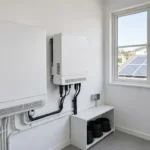
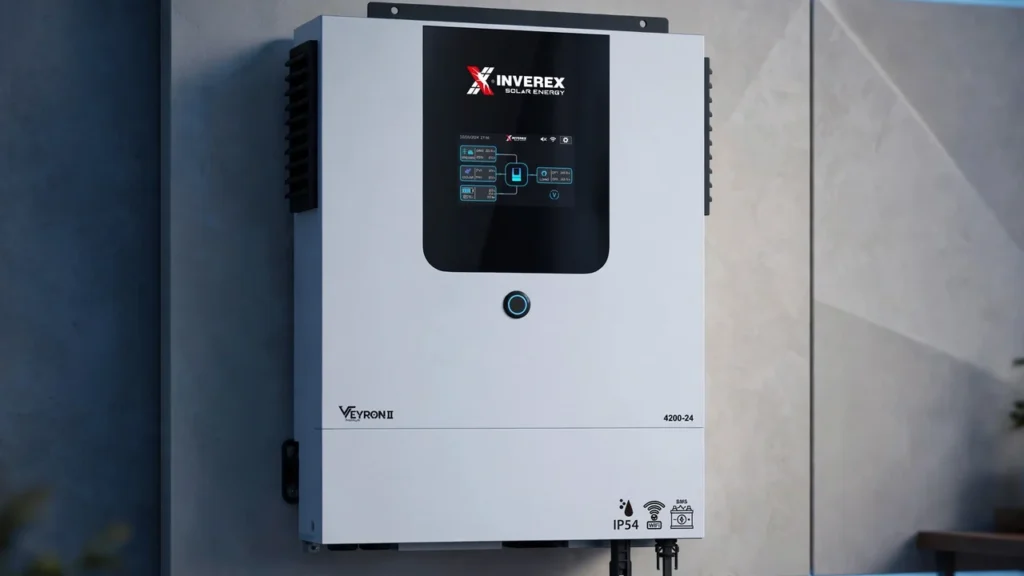
The Suntech TFT-8KW is a day solar inverter. That means it is designed to make the most of daylight hours, when the sun is strong and your home is using power. In Peshawar, where summer days are long and bright, a day-focused system can carry a large part of your daytime load directly from the sun.
Be careful with one common mix-up. The inverter’s rating is not the same as your panel total. An 8KW inverter with too few panels is like a big engine with a tiny fuel tank. The panels must be sized to feed it, and your installer should design both together.
What Does 8KW Really Mean for Your Home?
8KW means the inverter can handle up to 8,000 watts of appliances at once. A fridge draws a few hundred watts. Each fan draws under a hundred. LED lights draw almost nothing. A TV draws a couple of hundred. A water motor draws more. An air conditioner draws the most.
For many medium to large Peshawar homes, 8KW covers comfortable daytime living. That means fans and lights everywhere, fridge, TV, water motor, and often one air conditioner together while the sun is up.
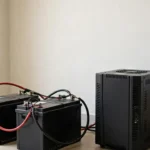
But here is the honest catch. An inverter can only give what the panels provide. And at night, with no sun, a day solar system without batteries or grid backup cannot power your home. Anyone who tells you otherwise is selling, not advising.
Bonus Tip: The cheapest way to “increase” your solar capacity is to reduce your load first. Swap old fans for efficient ones, change every bulb to LED, and fix that ancient fridge. Every watt you save is a watt your system does not have to produce, and it costs far less than extra panels.
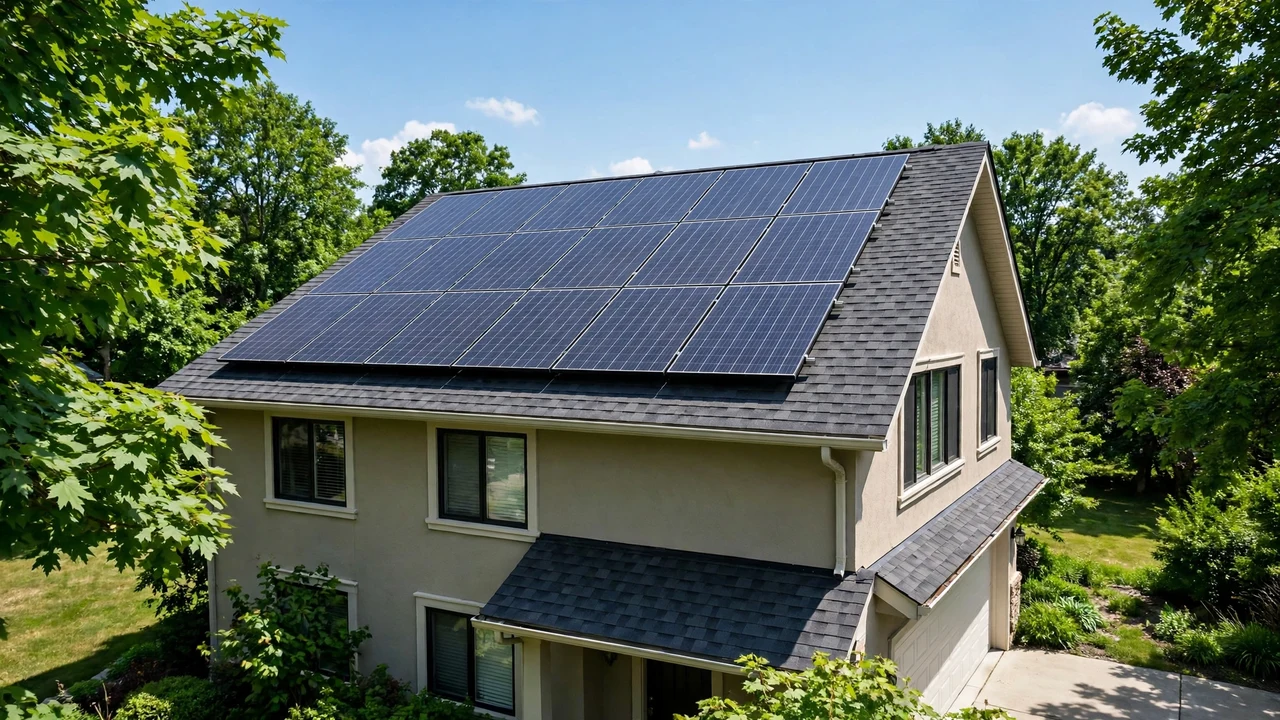
How Do You Size Your System Without Guessing?
Too many people buy on vibes. “My neighbour got 8KW, so I will get 8KW.” Sometimes that works. Sometimes it wastes a large sum. Here is the method installers use, simplified so you can do it at your kitchen table.
First, list every electrical appliance. Walk room to room with a notebook. Include fans, lights, fridge, TV, water motor, air conditioners, iron, washing machine, and computers.
Second, find the heaviest realistic combination. That is usually a hot summer afternoon: fans everywhere, fridge cycling, one or two air conditioners, TV on, and motor filling the tank.
Third, add a margin. Heat, dust, and wiring eat some energy. Size with headroom so the system is comfortable, not strained, on the hottest day. Close to 8KW means an 8KW-class inverter fits. Far below means you may need less.
This thirty-minute exercise does more for your purchase than any showroom visit. When you can tell a seller, “My peak daytime load is around this many watts,” you stop being a target. You become a customer who cannot be fooled.
| Your daytime peak | What it usually means |
|---|---|
| Well below 8,000 watts | A smaller system may fit better — ask, do not overspend |
| Close to 8,000 watts | An 8KW-class inverter is a sensible fit, with headroom |
| Far above 8,000 watts | Get a proper design discussion, not just a bigger box |
| Two air conditioners plus everything else | Check the honest total first — it may exceed comfortable margins |
These rows are a guide only. Your appliance labels and your installer’s design matter more than any table.
Seven Questions to Ask Before You Buy
A smooth salesman fears questions. An honest seller welcomes them. Ask these seven before you pay for any 8KW inverter in Peshawar.
| Question | What a good answer sounds like |
|---|---|
| 1. What warranty comes in writing? | Paper terms, who honours it, and where you take the unit if it fails |
| 2. Does it support net metering? | A clear explanation of the current process in Peshawar, in writing |
| 3. What panels and wiring go with it? | A full system list, not just the inverter box |
| 4. Who installs it? | Photos of previous installs, with neat, labelled work |
| 5. What after-sales support do you provide? | A named contact and a response time, not a vague promise |
| 6. Can I see one working? | A running system or a proper demo for a purchase this size |
| 7. What is the total system cost? | Panels, structure, wiring, breakers, labour, and paperwork — everything |
The last question matters most. The inverter is often less than half the total system cost. A quote that only names the inverter hides the rest of the bill.
How Does Net Metering Turn Daytime Sun Into Bill Credit?
On a sunny afternoon your panels often make more than your home uses. A net-metered system feeds the extra to the grid, and your meter builds credit against night-time use.
In plain terms, the grid becomes your store of power. You deposit extra units at noon, and you draw against them after sunset. That is why day solar inverters pair so well with net metering.
There is paperwork involved. Approvals, a special bidirectional meter, and an agreement all take time. It is a well-trodden path in Pakistan now, and a good installer handles most of it. Ask your seller to walk you through the current process in Peshawar before you commit.
Note: Net-metering rules and timelines can change, so treat any specific fee or waiting period a seller quotes as today’s information, not a promise. Ask for the current written procedure.
How Do You Keep Your Inverter Healthy for Years?
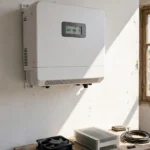
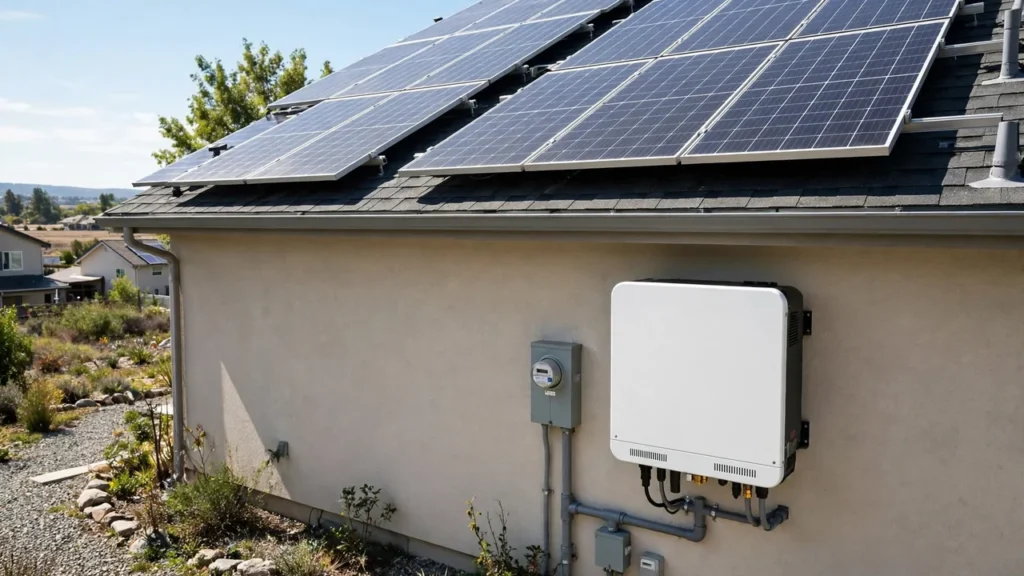
The number one killer is heat and dust. Mount the inverter in a shaded, ventilated spot, never in direct sun. Every few months, switch it off and clean the vents with a dry brush.
Watch the display regularly and learn what normal looks like. A sudden drop usually means dirty panels, a tripped breaker, or shading. All of these are cheap to fix if you catch them early.
Keep the area around it clear. Once a year, have wiring connections checked. Heat cycles loosen terminals over time, and a loose high-current connection is a fire risk.
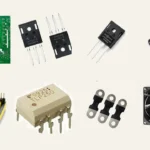
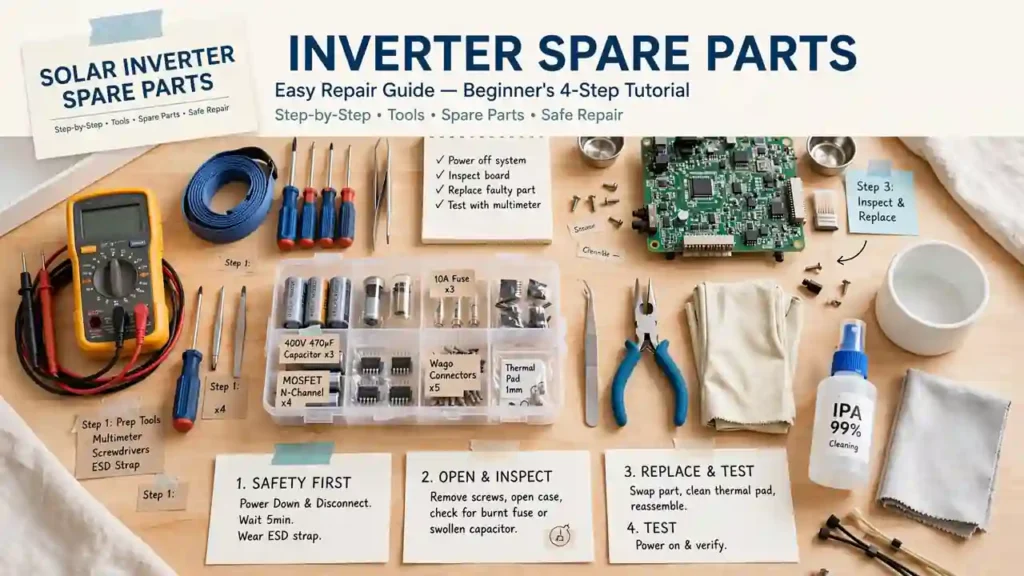
Inside the inverter, hard-working parts like power MOSFETs do the heavy switching. If you are curious what those look like and how technicians repair them, our guide on the 2SK3878 MOSFET used in inverter repairs is worth a read. Small control parts and sturdy resistors keep the control circuits alive too. Knowing the parts inside makes you a smarter owner.
Why Does Buying Locally in Peshawar Matter?
You could order an inverter from anywhere. But an inverter is not a phone charger. It is a big, heavy box that needs correct installation, honest warranty, and someone to call when the display shows a code you have never seen. A local seller in Peshawar gives you all three.
When you buy from SunTech Mall, you buy from people who stock the parts technicians use daily and understand the equipment they sell from the inside out. If something goes wrong in year two, you know where to find them.
Families outside Peshawar feel the same need. Our guide for solar buyers in Charsadda walks through the same careful process for that district. Good advice does not change with the city.
Frequently Asked Questions
Can an 8KW inverter run my whole house?
It can run a typical medium-to-large home’s daytime load: fans, lights, fridge, TV, water motor, and usually one air conditioner together. Whether it covers your specific home depends on your appliance list. Do the sizing exercise in this guide before deciding.
Does a day solar inverter work at night?
Not from solar, because there is no sun. At night, a day-focused system either draws from the grid or from batteries, if your setup includes them. This is normal and expected. Plan around daytime savings plus net-metering credit.
How many solar panels do I need with an 8KW inverter?
It depends on the wattage of each panel and your roof space. A common setup uses panels totalling roughly around the inverter’s capacity, but the exact count and arrangement should come from your installer’s design for your roof and your load. Ask for the panel layout in writing.
What is net metering, and is it available in Peshawar?
Net metering lets you export extra daytime solar power to the grid for bill credit. The framework exists in Pakistan and systems are being installed in Peshawar, but the application process, fees, and timelines change over time. Ask your seller or installer for the current procedure before you count on it.
How long does a solar inverter last?
A quality inverter from a reputable maker, fitted correctly and kept clean and cool, commonly serves for many years. Heat, dust, and bad wiring shorten its life. The warranty length a seller offers in writing is a good clue about how long they expect it to last.
What maintenance does the system need?
Keep panels clean, keep the inverter ventilated and dust-free, watch the monitoring for sudden drops, and have wiring checked yearly. That is genuinely most of it. Solar systems are beautifully low-maintenance when fitted right.
Verdict
The Suntech TFT-8KW fits many medium to large Peshawar homes for daytime use. It fits you if your honest daytime peak sits comfortably within 8,000 watts, your roof is surveyed and shade-free, and your seller answers all seven questions in writing.
It does not fit you if you expect full night-time power without batteries or grid backup, or if your peak load runs far above 8,000 watts. In that case, get a proper design first, not a bigger promise.
If you are ready to explore it, check the live price on SunTech Mall and reach out through the contact options on the website with your appliance list. Take your time, ask your seven questions, and choose with confidence.
3 Comments
[…] solar equipment, you will find our electrical and solar section useful, including guides like our 8KW solar inverter buying guide for Peshawar and our solar guide for Charsadda homes. Many of the repair jobs that need cement resistors come […]
[…] you want to compare approaches, our 8KW solar inverter buying guide for Peshawar covers the same careful buying process from a Peshawar perspective. The principles are identical; […]
[…] a worked sizing example on an 8KW day-focused system, read 8KW Solar Inverter Buying Guide 2026 – Peshawar. It shows the same list-and-peak method, step by […]