What Is a Day Solar Inverter 2026: Run Your Daytime Load on Sunlight Without a Battery
Last summer, a shopkeeper in Peshawar told me he wanted solar power. He did not want batteries. He only wanted his shop fans, lights, and fridge to run on sunlight during the…

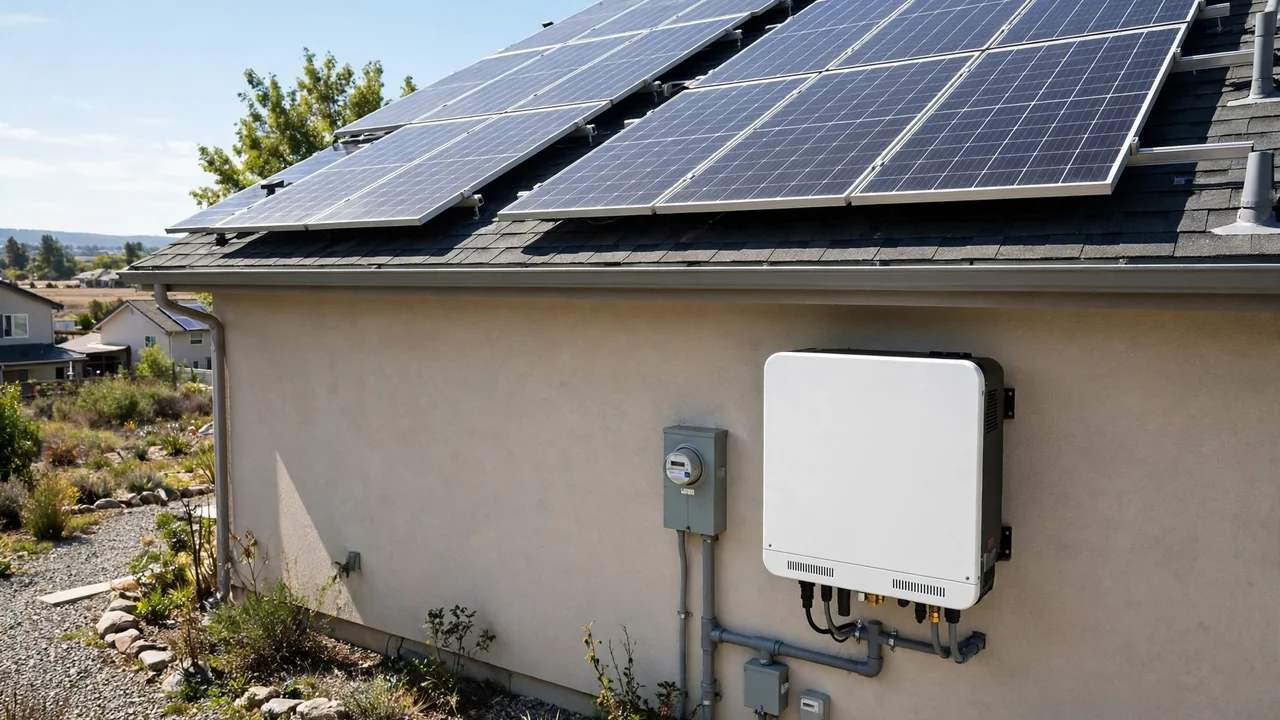
Last summer, a shopkeeper in Peshawar told me he wanted solar power. He did not want batteries. He only wanted his shop fans, lights, and fridge to run on sunlight during the day, so his daytime bill would fall.
A salesman showed him a big hybrid inverter with a battery bank. The price shocked him, so he walked away. He thought solar was only for rich people. He was wrong. He did not need night backup. He needed daytime power. That is exactly what a day solar inverter is made for.
This guide will explain a day solar inverter in simple words. You will learn how it works, what it can run, and what it cannot do. You will learn who should buy one, and who should not, and how to size it. By the end, you will know if it fits your home or shop, before you spend any money.
Trust nudge: SunTech Mall runs its own inverter and UPS repair service centre in Pakistan. We also sell solar inverters and spare parts to technicians and home buyers every day. So this guide comes from real shop and bench experience, and from the guides linked at the end, not from sales talk.
What You Will Learn in This Guide
- What a day solar inverter is, in words a 10-year-old can follow
- How it turns sunlight into power for your daytime load
- How it is different from a hybrid inverter, an on-grid inverter, and an off-grid inverter
- Who should buy a day solar inverter, and who should not
- What it can run, and what it cannot run
- How to size it for your home or shop, step by step
- What happens on a cloudy day, in the evening, and during a power cut
- Whether you can add a battery later
- The 5 mistakes buyers make, and how to avoid them
- What to check before you buy, and where to get help
What Is a Day Solar Inverter, in Simple Words?
A day solar inverter is an inverter made for daytime use. It takes power from your solar panels and turns it into power for your home or shop, while the sun is shining. It does not need a battery to do this job.
Think of it like this. Your solar panels catch sunlight. They make DC power. DC means direct current. It flows in one direction. Your fans, lights, and fridge need AC power. AC means alternating current. It changes direction many times per second. The inverter is the translator. It changes DC into AC, so your appliances can use sunlight directly.
A normal hybrid inverter can do this too. But a hybrid inverter is also built to charge and use batteries. A day solar inverter skips the battery part. That makes the system simpler. There is no battery to buy, no battery to maintain, and no battery to replace later. For a home or shop that mainly needs power in the day, that saving matters a lot.
Note: "Day solar inverter" is a market name used in Pakistan, not one strict technical standard. Different models work in different ways. Some work with the grid. Some work without the grid. Some can take a battery later. Some cannot. Always check the exact model and its manual. This guide explains the idea. The model page tells you the facts for that model.
How a Day Solar Inverter Works, Step by Step
The system has a simple path. Sunlight hits the panels. The panels make DC power. The inverter takes that DC power and makes AC power. Your load uses that AC power at once. There is no battery tank in the middle. Power is used as it is made.
Here is the path in order:
- Panels catch sunlight. More sun means more DC power. Less sun means less DC power.
- The inverter finds the best power point. Inside the inverter, a smart control called MPPT watches the panels. MPPT means Maximum Power Point Tracking. It keeps adjusting, so the panels give their best power in changing sunlight.
- DC becomes AC. The inverter changes the DC power into clean AC power for your home. Good models give pure sine wave output. That is the smooth, safe kind of AC that fans, fridges, and motors like.
- Your load uses the power first. Fans, lights, fridge, and other daytime loads run on solar power while the sun is strong.
- The grid fills the gap, if your model is grid-connected. If a cloud passes, or you switch on one more load, solar power may fall short. A grid-connected model then takes the missing power from the grid at once. Your load keeps running. You do not notice the switch.
- Extra power goes where your model sends it. On some grid models, extra solar power goes back to the grid, if net metering or net billing applies to your connection. On some no-export models, extra power is simply limited to your own load. Never assume export. Ask the seller which type your model is.
Bonus Tip: Watch your inverter display for one week after install. Learn what normal looks like at noon, in the morning, and on a cloudy day. When you know normal, you will spot a fault early, before it becomes a repair bill.
Day, Hybrid, On-Grid, and Off-Grid: The Honest Difference
Buyers mix up these four names. The table below makes the difference clear. Read it before you buy.
| System type | Battery needed? | Night backup? | Power cut behaviour | Best for |
|---|---|---|---|---|
| Day solar inverter | No, for its daytime job | No, from solar alone | Depends on model: grid models stop for safety when the grid fails, unless the model has a special PV-only backup mode | Homes and shops with a big daytime load |
| On-grid inverter | No | No, from solar alone | Stops when the grid fails, for safety | Homes with a stable grid and net metering |
| Hybrid inverter, no battery fitted | No, it can run without one | No, until a battery is fitted | Stops when the grid fails, until a battery is fitted | Buyers who want to add a battery later |
| Hybrid inverter, with battery | Yes | Yes, while the battery lasts | Keeps running on battery during a cut | Homes that need backup at night or during cuts |
| Off-grid inverter, with battery | Yes | Yes, while the battery lasts | Keeps running on battery, no grid needed | Homes with no grid, or very weak grid |
The key lesson is simple. A day solar inverter is a daytime tool. It is not a night backup tool. If you buy it for night backup, you will be disappointed. That is not a fault in the inverter. That is a wrong choice for your need.
Who Should Buy a Day Solar Inverter?
A day solar inverter fits you if most of your answers are yes:
- Your load is in the day. Your shop opens in the morning. Your home uses fans, fridge, and a water motor in the day. Your office runs computers in working hours.
- Your grid is fairly stable. You want lower daytime bills, not full protection from long power cuts.
- You do not need night backup from solar. At night, you are happy to use grid power, or you already have a small UPS for lights and fans.
- Your budget is tight. You want to start solar now, without paying for a battery bank on day one.
- You may add a battery later. You want a model that allows a battery later, or you plan to keep it as a pure daytime system.
A shop is a perfect example. A shop uses lights, fans, and a fridge all day. The owner is there in the day. The sun is up when the shop is busy. A day solar inverter matches that load hour by hour.
Note: A day solar inverter does not mean a cheap or weak inverter. It means a focused inverter. Judge it by its daytime job, not by jobs it was never made to do.
Who Should NOT Buy One?
Be honest with yourself here. Do not buy a day solar inverter if:
- You need power at night from solar. Without a battery, there is no sun at night, so there is no solar power at night. That is physics, not a brand problem.
- Your area has long, daily power cuts. A grid-connected day inverter must shut down when the grid fails, for safety. That rule protects line workers. It means your house will go dark in a cut, just like a plain on-grid system.
- You run life-critical loads. Medical equipment, or any load that must never stop, needs a battery backup system designed for that job. Do not trust it to daytime solar alone.
- Your main load is at night. If you work at night, or your biggest use is after sunset, daytime solar will not help much. A hybrid system with a battery fits better.
If any of these points describe you, look at a hybrid inverter with a battery instead. For battery context, read Lithium Battery vs Tubular Battery 2026. Check the live price on the website for each model, because prices change.
What Can It Run in the Day?
A day solar inverter can run normal daytime loads, as long as the total load fits the inverter and the panels are making enough power at that moment. Typical daytime loads are:
- Fans and lights
- Fridge and freezer
- TV and computers
- Water motor, for short runs
- Shop lights, fans, and small machines
- One air conditioner, if your system is sized for it
The limit is not the name on the box. The limit is real power at real time. At noon on a clear day, your system gives its best. In the early morning, late evening, or under thick cloud, it gives less. If you switch on more load than the panels make at that moment, a grid-connected model takes the rest from the grid. A model without grid support may struggle, trip, or shut down. That is why sizing and load timing matter more than brand talk.
Bonus Tip: Shift heavy jobs to strong sun hours. Run the washing machine, charge tools, and fill the water tank when the sun is high. Small timing changes can double how much solar power you actually use.
How to Size a Day Solar Inverter, Step by Step
Sizing sounds hard. It is not. Follow these five steps with a notebook.
- List your daytime loads. Walk room to room. Write every appliance you use in the day: fans, lights, fridge, TV, motor, air conditioner.
- Find your heaviest realistic mix. Do not add every appliance in the house. Add the ones that run together on a hot afternoon. That mix is your real peak load.
- Add headroom. Heat, dust, wiring, and panel age all cut a little power. Size with room to spare, so the system is comfortable, not strained, on the hottest day.
- Match panels to the inverter. The inverter can only give what the panels feed it. Too few panels starve a big inverter. Your installer must design the panel strings to fit the inverter voltage and current window. Ask for that design in writing.
- Check motor starting load. Motors like fridges, water pumps, and air conditioners draw a short surge when they start. Your installer must check that surge. A system that runs a motor is different from a system that only runs lights.
If your peak daytime mix is far below the inverter size, you may need a smaller model. If it is close to the limit, the bigger model fits. Do not buy on a neighbour's size. Buy on your own list.
For a worked sizing example on an 8KW day-focused system, read 8KW Solar Inverter Buying Guide 2026 – Peshawar. It shows the same list-and-peak method, step by step.
What Happens on a Cloudy Day?
Clouds cut sunlight, so panels make less power. This is normal. What happens next depends on your model.
- Grid-connected model: The grid fills the gap at once. Your load keeps running. Your solar share falls, but your lights stay on.
- No-grid, battery-free model: There is no grid to fill the gap and no battery to help. The load may run at lower power, or the inverter may trip if the load is too big for the weak sun. This is why these models suit loads that can pause, or loads smaller than peak sun power.
- With a special PV-only backup mode: Some battery-less models can keep limited loads running from panels during a grid cut, while the sun is strong. This is model-specific. Do not assume your model has it. Check the manual for that exact model.
Note: One cloudy day does not mean your system is faulty. Watch the pattern over a week. If output falls on clear days too, check for dirty panels, shade, a tripped breaker, or a loose connection, and call your installer if the drop stays.
What Happens in the Evening and at Night?
As the sun sets, panel power falls to zero. A day solar inverter without a battery then has no solar power to give. At night, your home runs on grid power, or on a separate UPS or battery system if you have one. This is normal and expected. It is not a fault.
This is also why net metering matters for many buyers. If your connection has net metering or net billing, extra daytime power can earn bill credit, which then offsets your nighttime grid use on the bill. Rules, fees, and timelines change over time, so ask your seller or installer for the current written procedure before you count on it. Never treat a seller's old timeline as a promise.
Can You Add a Battery Later?
It depends on the model. This is one of the most important questions to ask before you buy.
- Some hybrid inverters can run without a battery today, and take a battery later. You buy the inverter now, skip the battery cost, and add the battery when your budget allows. The battery part of the inverter simply sits unused until then.
- Some pure day inverters cannot take a battery at all. They are built only for direct daytime solar. If you later want night backup, you would need a different inverter or a separate backup system.
- Battery type and voltage must match. A battery that does not match the inverter's battery voltage and type will not work safely, even if the plugs look the same.
Bonus Tip: Before you pay, ask this exact question in writing: "Can this exact model take a battery later, and if yes, which battery type and voltage?" A clear written answer now saves a costly surprise later.
A Real Day-Inverter Example From SunTech Mall
SunTech Mall sells a model built for this exact daytime job. The Suntech HYB-10KW Powerful Off-Grid Solar Inverter is made for direct daytime solar use. It can work without WAPDA supply and without battery support, and it gives pure sine wave output at a fixed 50Hz. Its product page lists support for up to 450V DC solar input, with multiple panels in series, plus PV short circuit, overload, over-temperature, and low AC output protections. Check the live price on the website for this model, because prices change, and read its full product page before you decide if 10KW fits your load list.
If you want a smaller day-focused home system to compare, see the Inverex Yukon II 3500W – 24V Solar Inverter. For a grid-connected home that also wants net metering, see the Inverex Nitrox 6KW-3Ph On-Grid Solar Inverter. For a budget home inverter line, see the Fronus PV 7200 Infineon Reborn Inverter. Check the live price on the website for each model, because prices change.
The 5 Mistakes Buyers Make
### Mistake 1: Buying night backup expectations with a daytime inverter
The buyer expects lights at night from solar alone. There is no battery, so there is no power at night. Fix: decide first if you need night backup. If yes, buy a battery system.
### Mistake 2: Sizing by the neighbour's system
Your neighbour's 8KW system fits your neighbour's load, roof, and shade. Your home is different. Fix: make your own load list and peak mix, as shown above.
### Mistake 3: Too few panels for the inverter
A big inverter with too few panels is like a big engine with a tiny fuel tank. It will disappoint at noon. Fix: ask for the panel design in writing, matched to the inverter.
### Mistake 4: Ignoring the power-cut rule
Buyers are shocked when a grid inverter stops in a power cut. That shutdown is a safety rule, not a fault. It protects line workers from live solar power during repairs. Fix: if cuts matter to you, plan for a battery system from the start.
### Mistake 5: Skipping installation quality
Bad wiring, loose terminals, blocked vents, and direct sun on the inverter all shorten its life. A good inverter with bad install still fails early. Fix: choose a careful installer, keep the inverter shaded and ventilated, and have wiring checked once a year.
Installation and Safety: The Short Version
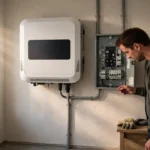
Day solar work is electrical work. Do not treat it as a do-it-yourself job unless you are trained for it.
- Use a trained installer. Panels, DC wiring, breakers, and earthing must be correct. A wiring mistake can cause fire or shock.
- Keep the inverter shaded and ventilated. Heat is the slow killer of inverters. Never mount it in direct sun or in a closed hot box.
- Keep vents clear and panels clean. Dust on panels cuts power. Dust in vents traps heat. A dry brush for vents and a safe panel clean help a lot.
- Watch for grid voltage problems. In Pakistan, voltage swings are common, and they stress inverters. For why this matters, read Grid Voltage Fluctuation Damages Solar Inverters.
- Never open the inverter case yourself. Capacitors inside can hold a painful charge even after power off. Internal work is a technician's job.
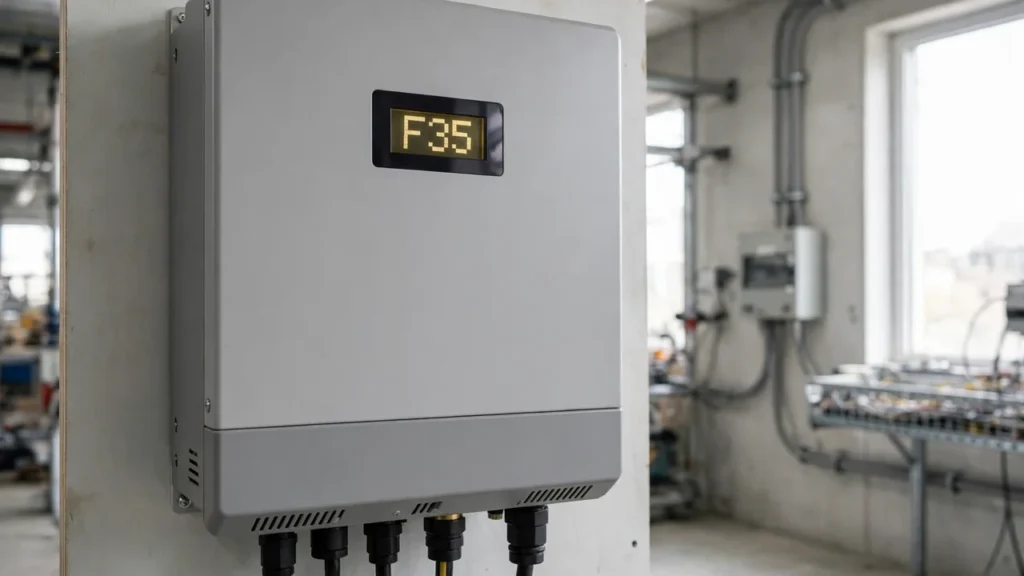
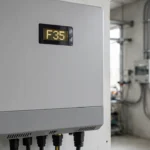
If your inverter shows a fault code, do not guess. For Inverex codes, read Inverex Nitrox Fault Codes 2026. For Fronus codes, read Fronus PV 7200 Error Codes 2026. If your inverter will not turn on at all, read Solar Inverter Not Turning On 2026.
Maintenance: Small Habits, Long Life
A day solar system is low-maintenance, but not no-maintenance. These small habits help:
- Clean panels when dusty. Clean panels make more power. Clean them safely, or ask your installer for the safe method for your roof.
- Check the display weekly. Learn normal noon output. A sudden drop means shade, dirt, a tripped breaker, or a loose wire. Catch it early.
- Keep the area clear. Do not stack boxes against the inverter. Air must flow around it.
- Listen for fan changes. A fan that stops, slows, or gets loud is a warning. Fans cool the power parts inside. A dead fan can lead to heat damage.
- Check wiring once a year. Heat cycles loosen terminals over time. A loose high-current connection is a fire risk. This check is for a trained person.
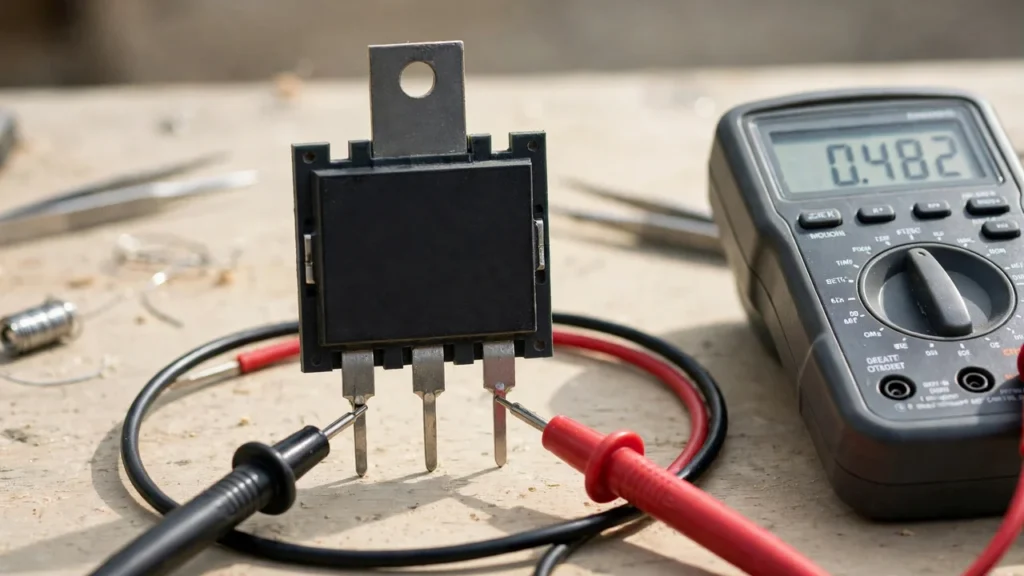
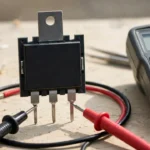
Inside the inverter, power parts like MOSFETs do the fast switching work. If you want to understand how technicians test those parts, read How to Test a MOSFET With a Multimeter 2026.
Where SunTech Mall Fits In
SunTech Mall is Pakistan's online store for original solar inverter and UPS spare parts. We also run our own repair service centre. That means we see both sides: what buyers choose, and what fails on the bench.
If a day solar inverter fits your daytime load, start with your load list, not with a brand name. Compare models on the website, and check the live price on the website for each model, because prices change and this article does not fix a price.
Daytime models to compare: See the Suntech HYB-10KW Powerful Off-Grid Solar Inverter for direct daytime solar without battery or grid support. See the Inverex Nitrox 6KW-3Ph On-Grid Solar Inverter for a grid-connected home with net metering in mind. See the Inverex Yukon II 3500W – 24V Solar Inverter for a smaller home system.
If you later want night backup: See the Fronus LifePo4 Platinum Series 5KWH Battery and the Inverex Power Wall 48V 100Ah Battery. A battery only helps if your inverter model supports that battery type and voltage, so confirm the match before you buy.
Need help matching a model to your load list? Contact SunTech Mall through the website, and share your daytime appliance list and your inverter model. Our team can help you check the match before you buy. You can also reach us on WhatsApp at 0306-2244820 for help with your daytime load and model choice.
Frequently Asked Questions
### Can a day solar inverter work at night?
No, not from solar. There is no sun at night, so panels make no power. At night, a day system runs on grid power, or on a battery system if you have a separate one. This is normal.
### Does a day solar inverter need a battery?
No, not for its daytime job. That is the whole point. It runs your daytime load directly from panels. A battery is only needed if you want backup at night or during power cuts.
### What happens during a power cut?
For most grid-connected models, the inverter must shut down when the grid fails, for safety. Your house will go dark in the cut, unless your model has a special PV-only backup mode and the sun is strong. Check your exact model manual. Do not assume backup.
### Can I run an air conditioner on a day solar inverter?
Yes, if the system is sized for it. The inverter size, the panel size, and the air conditioner's starting surge must all fit together. A small system will struggle with a big air conditioner. Make your load list first, and let your installer confirm the match.
### Is a day solar inverter cheaper than a hybrid system with a battery?
In most cases, yes on day one, because you skip the battery bank, which is a large part of system cost and upkeep. But compare fairly. A hybrid with a battery gives night backup. A day inverter does not. Cheaper is only better if it fits your real need.
### Can I add a battery to my day solar inverter later?
Some models allow it, and some do not. Hybrid models that run without a battery today can often take a battery later. Pure day models may not. Ask for the answer in writing for your exact model, with battery type and voltage, before you buy.
### Do I need net metering for a day solar inverter?
No, you do not need it to use daytime solar. Net metering helps when you make more power than you use in the day, because extra power can earn bill credit. But rules and timelines change, so confirm the current procedure before you count on it.
### What if my daytime load is bigger than my solar power at that moment?
On a grid-connected model, the grid fills the gap at once, and your load keeps running. On a no-grid battery-free model, the load may struggle or the inverter may trip. That is why sizing and load timing matter so much.
Final Thoughts
Do not buy solar for the night if your need is the day. Do not buy a battery if your load lives in sunlight hours. A day solar inverter is a simple, honest tool. It turns daytime sun into daytime power, with no battery to buy or maintain.
Make your load list. Check your power-cut need. Ask if a battery can be added later. Then choose the model that fits your real day, not a salesman's promise.
If this guide helped you, share it with a neighbour who thinks solar is only for rich people. For many homes and shops in Pakistan, daytime solar is the first honest step, and it starts with the right inverter.
Published: 28 October 2026 | Updated: 28 October 2026 | SunTech Mall — Charsadda/Tangi Office, Tangi, Charsadda, Khyber Pakhtunkhwa
Sources: battery-free hybrid behaviour and grid-outage shutdown — https://www.solarsquare.in/blog/hybrid-inverter-without-battery/ ; solar panels without batteries, daytime use and grid fill-in — https://www.angi.com/articles/how-to-use-solar-panel-directly-without-battery.htm?entry_point_id=33797025 ; hybrid inverter without battery in Pakistan, future battery addition — https://buyinverter.net/hybrid-inverter-without-battery-pakistan/ ; connecting panels to an inverter without a battery, MPPT and load matching — http://www.lentoindia.com/blog/how-to-connect-a-solar-panel-to-an-inverter-without-a-battery.html ; battery-free system sizing, peak sun hours and limits — https://www.aforenergy.com/solar-system-without-battery-smart-simple-and-cost-effective/ ; off-grid without battery, daytime-only limits — https://www.solarpowercee.com/offgrid-solar-systems-run-without-a-battery/?wphyperspeed=1748595849 ; SunTech Mall product page for HYB-10KW direct solar operation, pure sine wave, 450V DC input and protections — https://suntechmall.com/suntech-hyb-10kw-powerful-off-grid-solar-inverter/