


Low-Voltage Hybrid Inverters: A Simple Home Guide
When the lights go out at night, one question matters most. Will your home keep running? This guide explains low-voltage hybrid inverters in plain words, so you can judge any model with…

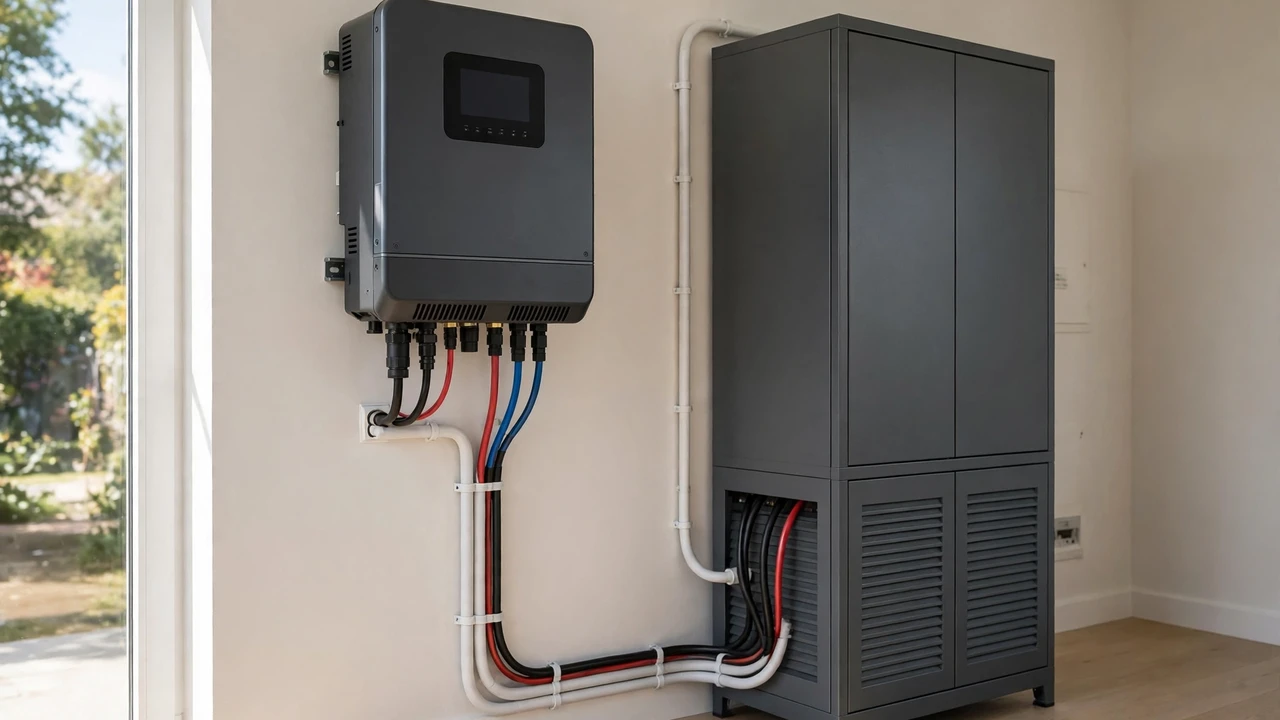
When the lights go out at night, one question matters most. Will your home keep running? This guide explains low-voltage hybrid inverters in plain words, so you can judge any model with calm eyes.
Key takeaways
- A hybrid inverter manages solar panels, batteries, and grid power in one box.
- “Low-voltage” means the battery side, usually around 48V. The solar input still runs at high voltage.
- 48V suits most homes because currents stay sane and parts are easy to find.
- Lead-acid costs less at first. Lithium lasts longer and gives more usable energy.
- Never buy on a sales pitch alone. Ask for the official datasheet and match it to the unit label.
What is new, and what is not claimed here?
Makers, including Austa, have been adding new low-voltage hybrid inverter series for homes. That trend is real, and it is why this guide exists.
But this rewrite makes no new claim about one series. No model list, no rated sizes, and no launch details are stated here. Why? No official local datasheet for the Austa series was found during research.
Treat any dealer claim about a model as a claim to check, not a fact to trust. Ask for the datasheet PDF first.
What this guide does teach is lasting knowledge you can use on any maker.
What does “low-voltage hybrid” mean?
Two words do the work here. Let us take them one by one.
“Hybrid” means the box blends three power sources. It manages solar panels, batteries, and the grid. An old UPS only knows grid and battery. A hybrid is a traffic chief for your home power.
“Low-voltage” means the battery side. A low-voltage hybrid works with a battery bank near 48 volts. A high-voltage hybrid uses battery stacks of 200 to 400 volts.
Note the key point. Only the battery bus is “low”. Panels still feed in at high DC voltage through the MPPT. The MPPT is the part that squeezes the most power from your panels.
Why does 48V rule most Pakistani homes?
Does 48V keep currents sane?
Yes. Power equals voltage times current. A 5kW load on 48V draws about 100 amps. The same load on 12V would draw over 400 amps.
That would need absurdly thick, costly copper. It would also make much more heat. 48V keeps currents in a range that normal cables can handle.
Is a 48V bank easy to build?
Yes, from parts shops already know well. A 48V lead-acid bank is four 12V batteries in series. Shops have sold those for years.
A 48V lithium bank is often 16 cells in series. Installers know this build by heart. That means easier fitting, easier fault-finding, and parts in most cities.
Is 48V safer to work near?
It is safer than high-voltage stacks, yes. 48V DC sits below the level most guides treat as risky to touch in dry states.
A 200V-plus stack needs far more care and training. A slip with that much DC can sustain a harsh arc. For a home, the 48V safety margin is a real plus.
| System type | Battery voltage | Best fit |
|---|---|---|
| Low-voltage hybrid | Around 48V | Most homes, 3kW to 10kW loads |
| High-voltage hybrid | 200V to 400V | Large commercial sites |
| Small UPS style | 12V or 24V | Small backup loads only |
Low-voltage vs high-voltage: which fits a home?
High-voltage hybrids have real perks. Lower current means lower cable losses. They also use thinner battery cables. That is why big commercial sites like them.
But homes face a different trade. High-voltage packs are often brand-locked, cost more, are harder to repair locally, and forgive wiring slips far less.
Low-voltage 48V hybrids trade a little efficiency for big gains. You get battery freedom, local repair skill, and installers who know the system well. For a Pakistani home, that trade is usually the smarter one.
Bonus tip: Ask any installer one fast question. “What is the battery bus voltage?” If they cannot answer at once, find another installer. This is day-one knowledge for hybrid sellers.
How does a hybrid run your home through the day?
What happens in daytime?
The sun rises and the MPPT pulls the most watts it can from your panels. Your home loads run straight on solar first.
Spare solar charges the batteries. If you have net metering, extra power can export to the grid. Each unit you use yourself is one you did not buy at rising tariffs.
What happens at night?
At sunset, the inverter shifts the home to battery power. A good unit shifts so fast that your TV does not flicker.
Cheap units show their flaws here. A slow shift can reboot your router. Ask about shift time before you buy. You want it in milliseconds.
Through the night, batteries carry the key loads. When they run low, a well-set system pulls from the grid. That guards the batteries from deep drain, which kills them young.
Why do settings matter so much?
A hybrid is not just a big UPS. It is an energy manager. Its charge voltages, cut-off points, and source order decide battery life, so the installer matters as much as the box.
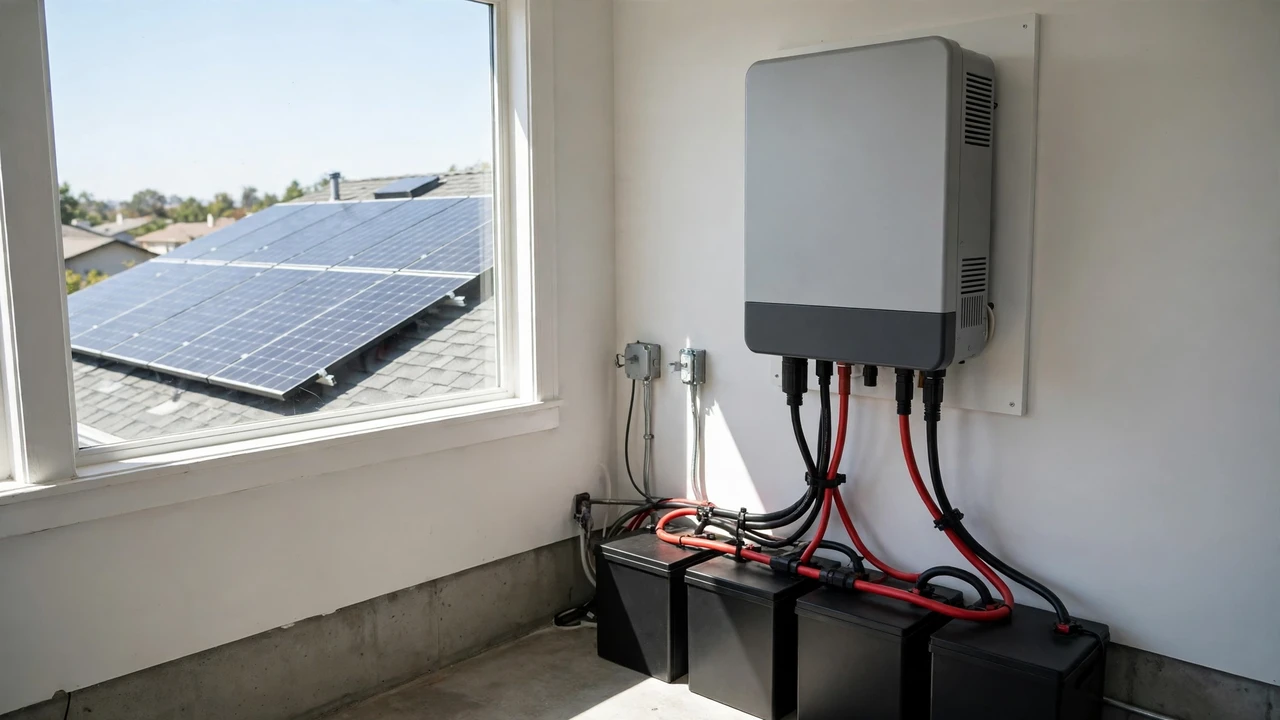
Which battery fits a 48V hybrid?
Are lead-acid batteries still worth it?
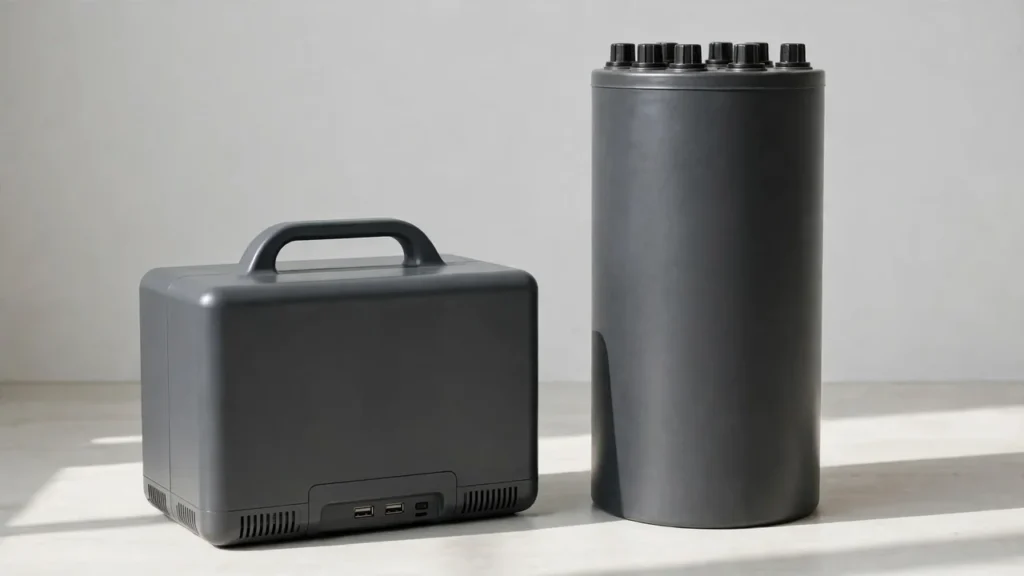
Lead-acid tubular banks are the old, trusted choice. Four 12V units in series make 48V. They cost less at first and are sold in most towns.
But they have limits. They are heavy and need air flow. Only about 50% of their energy is usable. With good care, they often last 2 to 4 years.
Is lithium a better long-term pick?
LiFePO4 lithium banks cost more at first. But they give about 80 to 90% usable energy, last for thousands of cycles, and need no water top-ups. Over 6 to 8 years, lithium often wins on total cost, but only if the inverter charge profile matches the battery.
What is BMS communication, and why ask about it?
BMS means Battery Management System. It is the brain inside a lithium bank. It watches cell health and safe charge limits.
Some inverters talk to the BMS by CAN or RS485 links. That lets the battery set safe charge rules by itself. Without that link, the installer must set charge rules by hand.
Both paths can work. Only ignorance is unsafe. So ask: “Does this inverter talk to my battery’s BMS?” Get a clear answer in writing if you can.
Bonus tip: Never mix old and new batteries in one 48V string. Do not mix brands or sizes either. The weakest battery drags the whole string down and ages the rest too fast.
How many kW does your home actually need?
Oversizing wastes money. Undersizing brings daily frustration. Use this simple method instead.
Step 1: List what must run in a power cut
Walk through your home. Note fans, lights, fridge, TV, router, and pump. Read each wattage from its label.
Most Pakistani homes land at 2kW to 6kW of must-run load. Write your own list. Do not copy a neighbour’s list.
Step 2: Add headroom for motor starts
Multiply your total by 1.25. Motors like fridge compressors draw 3 to 5 times their rated power at start.
So a 4kW must-run load points to a 5kW inverter. That is why 5kW is such a common home size.
Step 3: Size the battery for your backup hours
Use this simple sum: energy needed = load × hours ÷ usable share.
Take 2kW for 6 hours. That is 12kWh of energy. With lead-acid at 50% usable, you need a 24kWh bank. With lithium at 85%, you need about 14kWh.
That one sum shows why lithium is gaining ground so fast.
Step 4: Size solar to refill the battery
In Pakistan, 1kW of panels yields roughly 4 to 5kWh per day on average. Work back from your daily use, and check the panel string voltage fits the inverter MPPT window.
What should you check during install?
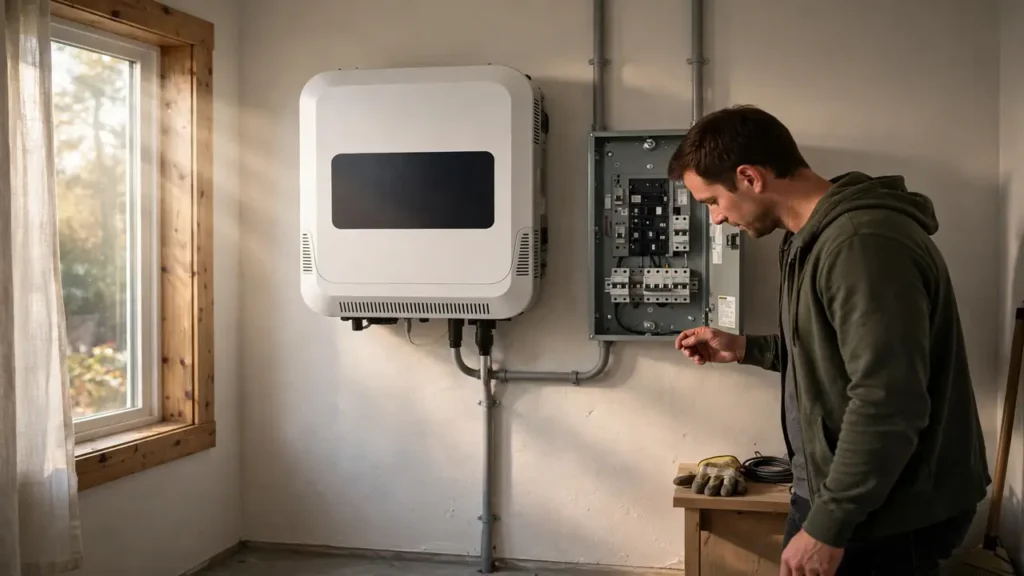
A great box fitted badly becomes a bad system. Watch these points with care.
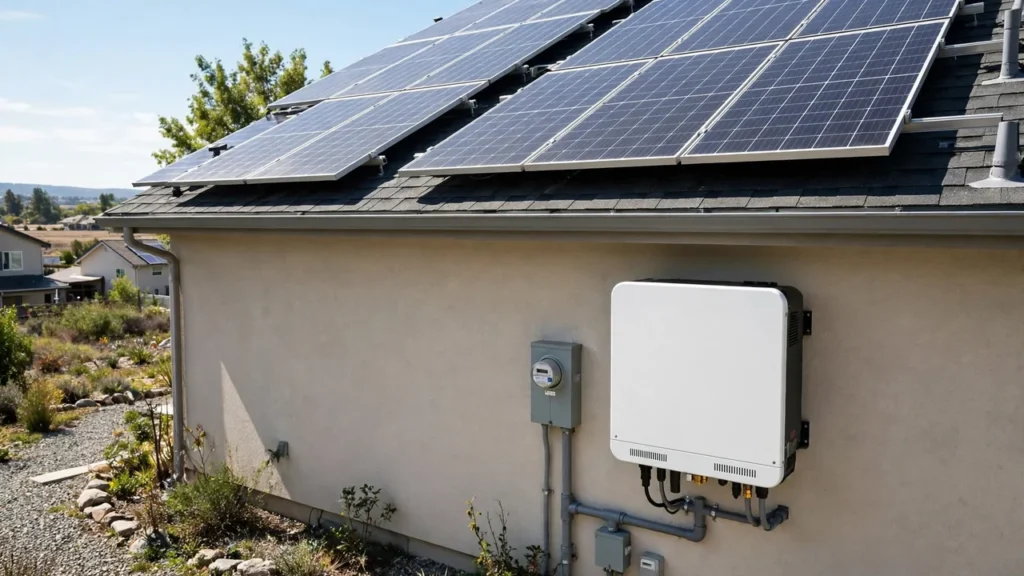
Air flow. Mount the unit in shade with clear air around it. Never seal it in a hot store room or bake it in direct sun. Heat shortens the life of parts inside.
Rain rating. Many modern units carry IP65, dust-tight and rain-safe, but not flood-proof. Mount above likely water levels and seal cable entries.
Battery cables. A 5kW unit pulls about 100 amps from a 48V bank. That needs thick, short cables with proper lugs. If cables feel warm in heavy use, they are too thin.
Earthing and surge guards. The grid can be rough. Proper earthing plus surge guards on AC and DC sides is cheap cover for a costly box.
What should you ask a dealer before you pay?
A dealer who answers these with ease has earned your trust. One who waves them off has told you plenty too.
- Is the MPPT voltage range right for my planned panel strings?
- What is the max PV input current per MPPT?
- Does it talk to my battery BMS, or are charge settings manual?
- What is the shift time when the grid fails?
- Can units be linked in parallel later if my load grows?
- Who honours the warranty here, and can I see the official datasheet?
For the live price, check the live price on SunTech Mall. Inverter prices move with stock and currency, so a fixed quote with no date is not a real quote.
Frequently asked questions
What is a low-voltage hybrid inverter?
It is a box that manages solar, battery, and grid power together, using a battery bank near 48V. The “low voltage” part is the battery side. Solar input still runs at high DC voltage through the MPPT.
Is 48V better than 12V or 24V for a home?
For loads above small backup needs, yes. Higher voltage means lower current for the same power. That means thinner cables, less heat, and less wasted energy. 48V is the sweet spot for homes.
Can I use my old UPS batteries with a new hybrid?
Sometimes, if they are healthy and matched. You need four sound 12V units in series for 48V. Tired old units drag the whole bank down and confuse charging. Load-test them first.
Lead-acid or lithium for a 48V home?
Lead-acid costs less today. Lithium often costs less per year of use. If you can afford lithium from a sound brand with BMS talk, it is the better long-term pick. If budget forces lead-acid, buy tubular and never drain below 50%.
How long will batteries last on a hybrid?
With correct settings, tubular lead-acid often lasts 2 to 4 years. LiFePO4 often lasts 6 to 10 years. With wrong charge settings, either can die in under a year. Settings matter more than the brand name.
Where can I get a hybrid inverter serviced in Pakistan?
Pick a brand with local service reach. Most inverter faults come down to parts a repair shop can swap, like the small electronic parts covered in our 0 ohm resistor guide. Check the live price on SunTech Mall or message us on WhatsApp through SunTech Mall.
Verdict: who should buy a low-voltage hybrid?
Buy one if you want solar, battery backup, and grid power managed in one box. A 48V low-voltage hybrid fits most homes best. It is safe to service, easy to find parts for, and free of brand-locked battery packs.
Just do the homework first. Size your loads with real numbers. Match the battery to the inverter. Demand the datasheet. And pick an installer who can answer the hard questions without a pause.
Do that, and your home will keep running when the lights go out elsewhere.
3 Comments
[…] standard Tier-1 panels installed well will serve you fine — put the difference into a better hybrid inverter or battery bank. But in the hail belt, or on a commercial plant where one storm could wipe out […]
[…] armour handles the heat. That is why cement resistors survive in power supplies, motor drives, and inverter circuits where ordinary carbon-film resistors would […]
[…] Pakistan, and the little blue high-voltage ceramic disc is one of our steady sellers — because inverters, power supplies, and TV boards eat them […]