
Lithium Battery Lifespan 2026: 7 Mistakes That Kill Your Battery Early — A Technician’s Guide
Published on 20 November 2026. Updated on 20 November 2026. A lithium battery lasts years longer when you avoid seven mistakes: draining it to zero, keeping it in heat, charging it with…

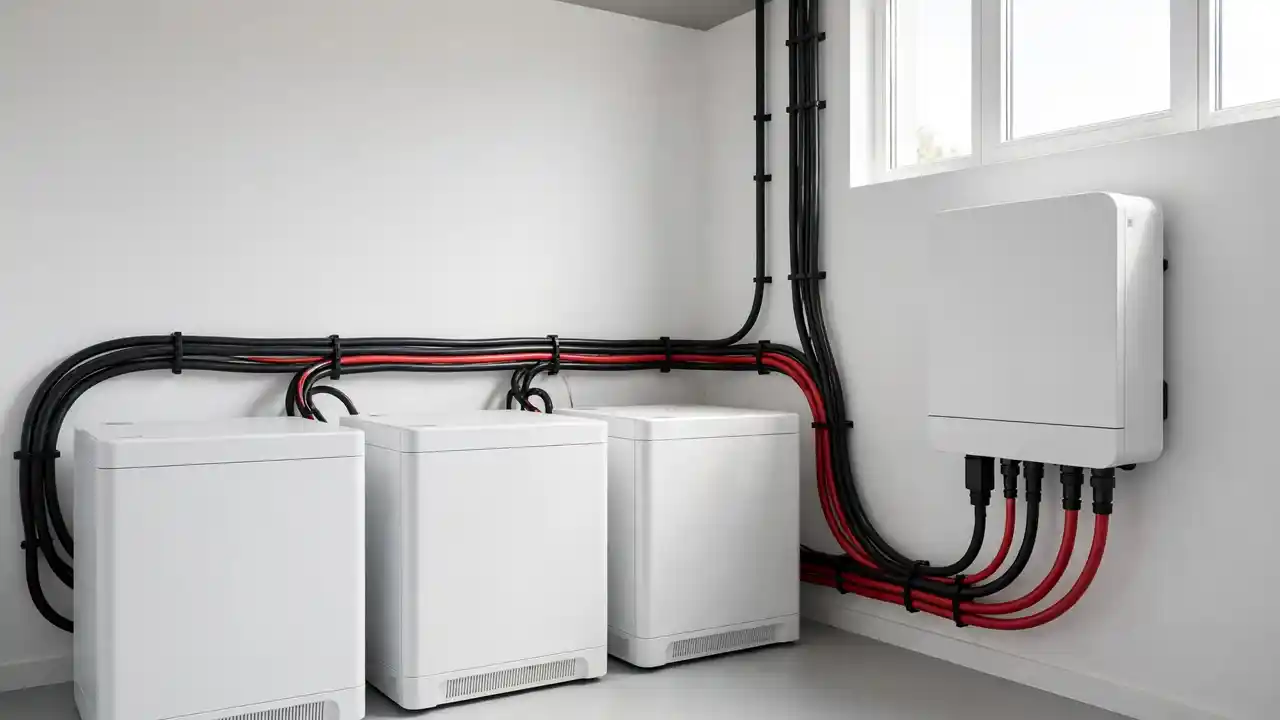
Published on 20 November 2026. Updated on 20 November 2026.
A lithium battery lasts years longer when you avoid seven mistakes: draining it to zero, keeping it in heat, charging it with the wrong charger, storing it full or empty, loose terminals, overloading it, and never checking its health. Fix these seven, and a LiFePO4 battery serves for many years.
In This Guide
Last month, a customer came to our repair centre with a lithium battery that had died after only two years. The battery was a good brand, and the inverter was fine. Our technician opened the battery room and found the cause at once: the battery sat in a hot corner, the terminals were loose, and the charger settings were wrong. Three small mistakes, and a good battery was gone in two years.
A lithium battery can last for many years when you treat it right, and these lithium battery lifespan tips show you how. This guide lists the seven mistakes that kill a lithium battery early, one by one, with the fix for each.
Trust nudge: This guide comes from SunTech Mall, a solar inverter spare parts store in Pakistan whose repair team tests and fixes inverter batteries every day.
How Long Does a Lithium Battery Really Last? — how many years and cycles to expect Mistake 1: Draining the Battery to Zero Every Day — why deep discharge wears it out Mistake 2: Keeping the Battery in a Hot Place — heat is the silent killer Mistake 3: Charging With the Wrong Charger — wrong voltage, wrong settings Mistake 4: Leaving the Battery Full or Empty for Weeks — storage done wrong Mistake 5: Ignoring Loose or Dirty Terminals — small loose parts, big damage Mistake 6: Running a Battery That Is Too Small for the Load — an undersized battery ages fast Mistake 7: Never Checking Battery Health — the warning signs you miss How Do I Make My Lithium Battery Last Longer? — six steps that add years
How Long Does a Lithium Battery Really Last?
A lithium battery for a home solar system is usually a LiFePO4 battery, short for lithium iron phosphate. It is the same family as the lithium battery in a phone, but it is built for big daily cycles, and it lasts far longer than the old lead-acid battery it replaces.
A good LiFePO4 battery is rated for about 3,000 to 6,000 full charge cycles before its capacity drops to 80% of the original rating. That 80% mark is the industry end-of-life point: the battery still works after that, it just holds less energy. Its calendar life is about 10 to 15 years even with light use, so in a real home it usually serves for 8 to 12 years or more.
Compare that with a deep-cycle lead-acid battery, which lasts about 300 to 500 cycles at 50% depth of discharge. A lithium battery handles 80% to 100% depth of discharge as a routine, and lasts many times longer. The lithium batteries section at SunTech Mall lists the lithium types used with home inverters, and our guide on lithium battery vs tubular battery shows the real five-year cost difference in simple words.
| How deep you drain it | Typical cycles | What it means |
|---|---|---|
| 100% drain, every day | About 2,000–3,000 cycles | Full drain on every cycle |
| 80% drain | About 3,000–6,000 cycles | The standard test point |
| 50% drain | 6,000+ cycles | Shallow cycling |
| Lead-acid at 50% drain | 300–500 cycles | Shown for comparison |
| Light use, calendar life | 10–15 years | Even with few cycles |
| One full cycle a day | 8+ years | A 3,000-cycle battery in daily solar use |
The numbers above are typical ranges from maker datasheets and industry guides, not a promise for one single battery. Your real result depends on how you treat the battery every day. That is the good news: the seven mistakes below are all in your hands, and fixing them costs little or nothing.
Mistake 1: Draining the Battery to Zero Every Day
Depth of discharge means how much of the battery you use before you charge it again. A 100% discharge means you drain it to empty. A 50% discharge means you use half and then charge it again. Battery University reports that the smaller the discharge, the longer the battery lasts. A lithium battery has no memory, so it never needs a full discharge, and a partial discharge is fine.
The numbers tell the story. Industry guides put a good LiFePO4 battery at about 2,000 to 3,000 cycles when drained fully every time, but about 3,000 to 6,000 cycles at 80% depth of discharge, and more than 6,000 cycles at 50%. The same battery, used gently, can last twice as long. Draining it to zero every night is the fastest way to burn through its cycles.
The fix is simple: keep the battery between about 20% and 80% most days. Use the full range only when you really need it, such as a long power cut. The Fronus LifePo4 Platinum Series 2.5kWh, a 25.6V, 100A unit, is one battery our customers pair with a home inverter, and the same 20–80% habit applies to it.
Bonus Tip: Ask your technician to set the inverter low-voltage cut-off so the battery stops before it is empty. A cut-off that is set too low lets the battery drain to zero night after night, and that is mistake number one on this list.
Mistake 2: Keeping the Battery in a Hot Place
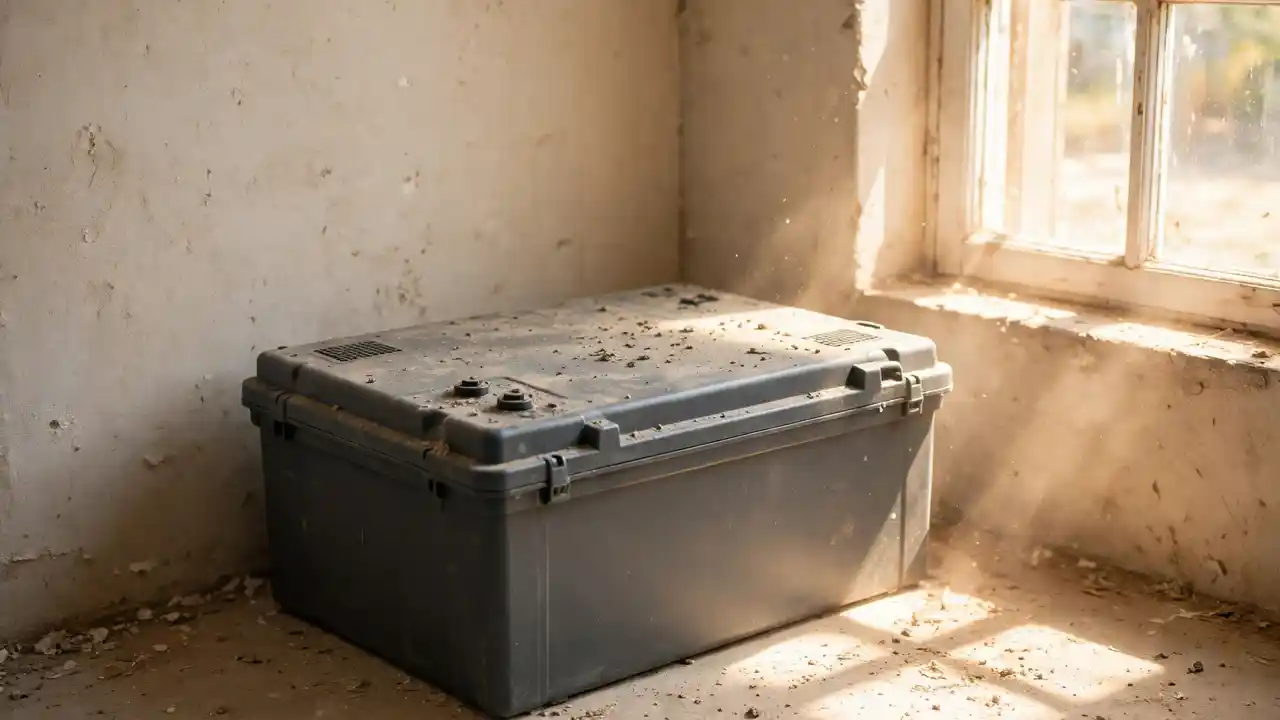
Heat is the quiet killer of a lithium battery. Battery University calls any temperature above 30°C an elevated temperature, and its storage test shows what heat does. A battery kept for one year at 25°C and full charge kept 80% of its capacity. The same battery kept at 40°C and full charge kept only 65%. At 40°C and 40% charge, it kept 85%. Heat plus a full charge is the worst pair.
Charging in heat is worse still. Heat during charging is the single biggest life-shortening factor, and charging at 35°C wears the cells far faster than charging at 21°C. In a Pakistan summer, a battery room can pass 40°C with ease, so the place you keep the battery matters as much as the battery itself.
Keep the battery in a cool, dry, shaded place with air moving around it. Never put it in direct sun, next to a hot wall, or in a closed box with no air. A battery that stays cool lives longer, and the test numbers above prove it.
Note: If your battery room feels like an oven in June, move the battery before summer starts. A shaded corner with a small fan beats a sunny spot every time.
Mistake 3: Charging With the Wrong Charger
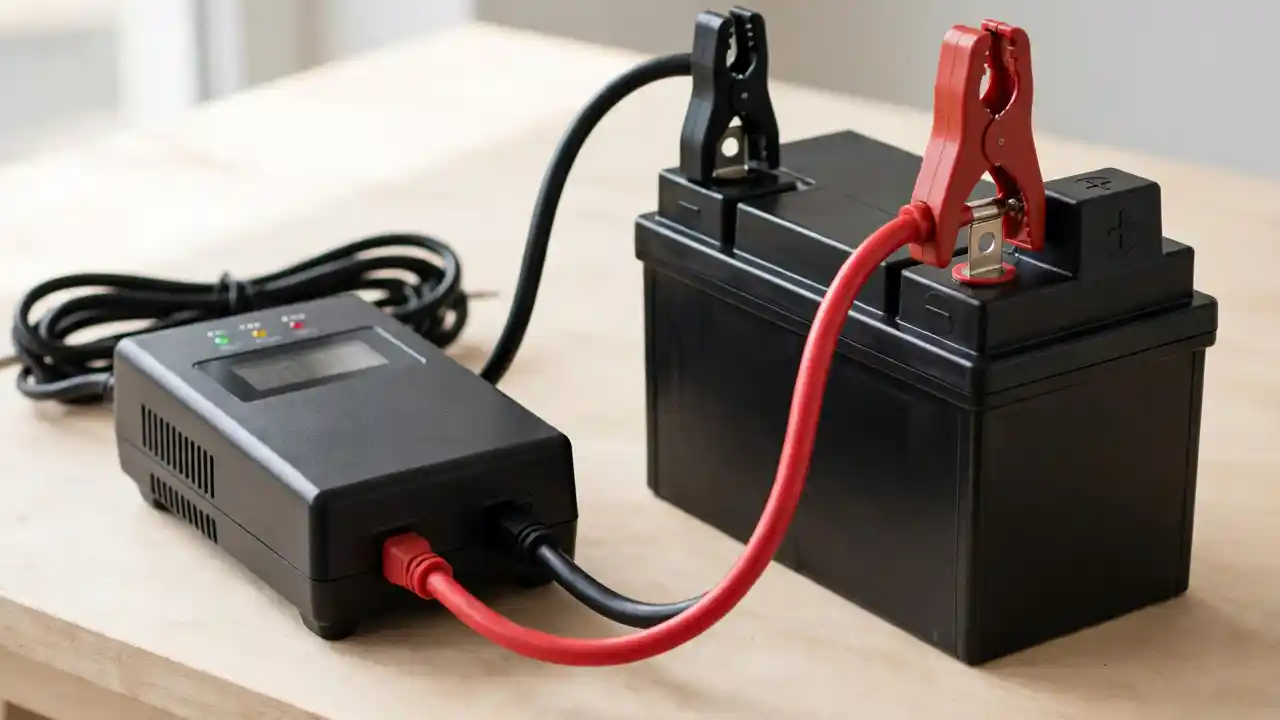
A lithium battery needs a charger that matches its type and its size. A charger made for a lead-acid battery can push the wrong voltage and the wrong charge pattern, and that shortens a lithium battery fast. The charger must match the battery chemistry, the battery voltage, and the charge current the maker allows.
Check the charger settings before the first charge. The charger should be set for lithium, not for lead-acid, and the charge current should fit the battery size. Our guide on what size battery charger you need explains the simple rule in easy words. A SUOER MA-1230A 30A battery charger fits a smaller battery, while a SUOER MA-1240A 40A battery charger fits a bigger one: check the live price on the website and match the current to your battery.
Cold charging is a hidden trap. Never charge a lithium battery below freezing, because charging below 0°C plates metallic lithium on the anode, and that damage never heals. A good battery management system blocks charging in the cold, but a cheap unit may not. In winter, let a cold battery warm to room temperature first.
Mistake 4: Leaving the Battery Full or Empty for Weeks
A lithium battery ages even when you do not use it. This is calendar aging, and it never stops. How you store the battery decides how fast it ages. The rule is simple: store it at about half charge, in a cool place, and check it every few months.
A battery left full for weeks in heat ages fastest of all. Battery University's storage test showed a full battery at 40°C kept only 65% of its capacity after one year, while the same battery at 40% charge kept 85%. A battery left empty is no better: it can sink so low that its protection opens and a normal charger can no longer wake it.
If you will not use the battery for weeks, charge it to about 50% to 60%, switch it off, and keep it cool and dry. Recheck it every three to six months, and top it back to half charge if it has dropped. A few minutes of care saves a battery that would otherwise die on the shelf.
Note: A battery that has sat empty for months may need a special recovery charge from a technician. A normal charger may not wake it, so do not keep trying on your own.
Mistake 5: Ignoring Loose or Dirty Terminals
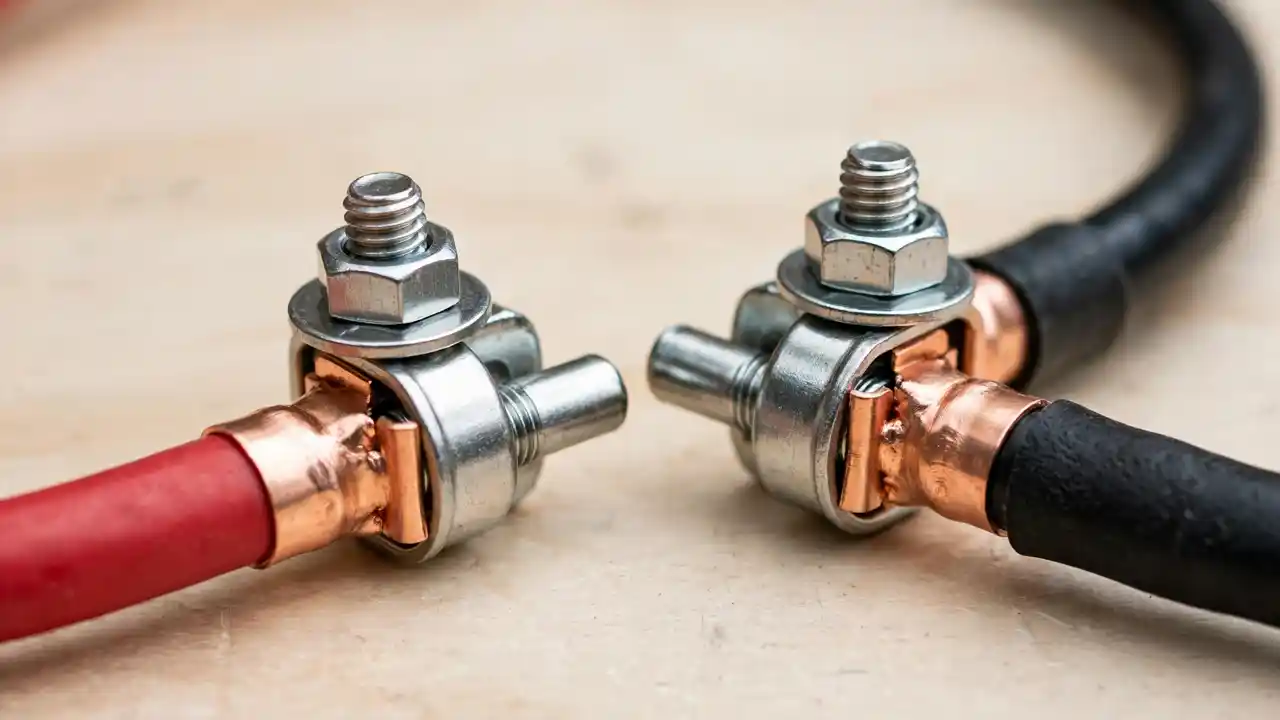
A loose terminal looks small, but it does a lot of damage. A loose connection makes heat, drops voltage, and can spark. The inverter then sees a low voltage and works harder, while the battery terminal slowly burns. Many "battery is dead" complaints start at a loose terminal, not inside the battery.
Check the terminals every few months. They should be clean, dry, and tight, with no white or green crust and no black burn mark. A cable lug must sit flat on the terminal, and the bolt must be firm. Our guide on battery cables and lugs shows the right lug and cable size for a home battery, and why a thin cable on a big battery is a mistake of its own.
Clean a dirty terminal with a dry cloth and a wire brush, then tighten it and check it again after a week. If a terminal keeps coming loose, or the cable feels hot while the inverter runs, stop and ask a technician: a hot cable is a warning, not a small fault.
Mistake 6: Running a Battery That Is Too Small for the Load
A battery that is too small for the load drains deep every single day, and the depth-of-discharge numbers above explain why that wears it out. A small battery drained close to empty every day uses up its cycles far faster than a bigger battery that usually cycles between 20% and 80%. Size is not a luxury: it is part of battery life.
Size the battery to your real load. Our guide on how many kW inverter for home shows the easy load calculation, and our lithium battery 48V setup guide explains how to pair a 48V battery with your inverter. A Fronus LifePo4 Platinum Series 5kWh suits a bigger home load, and the Inverex Power Wall, a 48V, 100Ah, 5.1kWh unit, suits a 48V inverter. Check the live price on the website for each one.
When the load grows, add battery capacity before the old battery starts draining to zero every night. A second battery costs less than replacing the first one two years early.
Mistake 7: Never Checking Battery Health
A lithium battery gives warnings long before it dies. The capacity drops, the backup time gets shorter, the battery feels warm when it should be cool, or the case swells. A battery management system guards the cells, but it cannot fix a battery that is already weak: it can only protect it from more harm.
Watch the signs. If the same load now runs for far less time, the capacity has faded. If the battery is swollen, smoking, or unusually hot, stop using it at once and contact the maker or a technician. Our guide on why your UPS battery drains fast lists eight reasons for a fast drain, and several of them are battery health signs, not inverter faults.
Check the battery health once a year, and write down the backup time so you can see it change. A slow fade over years is normal chemistry. A sudden drop is a fault, and early help is cheaper than a dead battery. Our guide on solar inverter repair cost shows what a technician visit usually covers, so you can tell a fair bill from an unfair one.
Note: Never open a lithium battery pack. A lithium battery holds charge even when it looks dead, and only a qualified technician should open it. Keep batteries away from heat and flame, and never pierce, crush, or burn a battery.
How Do I Make My Lithium Battery Last Longer?
These lithium battery lifespan tips work as one simple routine. Do them all, and your battery gets the long life its datasheet promises.
- Keep the battery between 20% and 80% most days, and use the full range only in a long power cut.
- Keep the battery cool and dry, out of direct sun, with air moving around it.
- Use a charger set for lithium, with the right voltage and the right current for your battery size.
- Check the terminals every few months: clean, dry, and tight, with the right lugs and cable size.
- Store a spare battery at about half charge, and recheck it every three to six months.
- Watch the health once a year: backup time, heat, swelling, and any strange smell, and ask a technician early.
Six small habits, and the battery pays you back for years. Most of them cost nothing: shade, a tight bolt, and a charger set right.
Frequently Asked Questions
How long does a lithium battery last?
A good LiFePO4 battery lasts about 3,000 to 6,000 full cycles before its capacity drops to 80% of the original rating, and its calendar life is about 10 to 15 years. In a real home, that usually means 8 to 12 years or more of service, if you avoid the seven mistakes in this guide.
Is it bad to drain a lithium battery to 0%?
Yes, if you do it every day. A full drain on every cycle can cut the life to about 2,000 to 3,000 cycles, while shallow cycling can pass 6,000 cycles. Keep the battery between 20% and 80% most days, and let it hit zero only in a real emergency.
Can heat kill a lithium battery?
Yes. Battery University calls any temperature above 30°C elevated, and its one-year storage test showed a full battery at 40°C kept only 65% of its capacity, while the same battery at 25°C kept 80%. Keep the battery cool, shaded, and out of direct sun.
Can I charge a lithium battery with a normal charger?
Only if the charger matches lithium settings. A charger made for a lead-acid battery can push the wrong voltage and shorten a lithium battery fast. Check the charger type, voltage, and current against your battery maker's guidance, and read our guide on what size battery charger you need before you buy one.
How should I store a lithium battery I am not using?
Store it at about 50% to 60% charge in a cool, dry place, and recheck it every three to six months. Never store it full in heat, and never store it empty: both age it fast, and an empty battery can sink so low that a normal charger cannot wake it.
Does SunTech Mall sell lithium batteries?
Yes. SunTech Mall sells the Fronus LifePo4 Platinum Series and the Inverex Power Wall, in sizes for small and large home systems. Check the live price on the website, and message us if you need help matching a battery to your inverter.
Final Thoughts
A lithium battery is built to last for years, but only if you treat it right. Heat, deep discharge, a wrong charger, bad storage, loose terminals, a battery that is too small, and no health checks: these seven mistakes do the damage, and all seven are easy to avoid.
Start with the easy wins today: move the battery out of the sun, set the cut-off so it never hits zero, and tighten the terminals. Small habits, done every day, are what turn a three-year battery into a ten-year battery.
Ready to check your battery? The Batteries & Storage section at SunTech Mall lists lithium batteries for home inverters — check the live price on the website. Questions? Message SunTech Mall on WhatsApp at 0306-2244820 with your inverter model and your battery size, and we will help you match the right battery.
Published on 20 November 2026. Updated on 20 November 2026.
Sources: Battery University — BU-808: How to Prolong Lithium-based Batteries (depth of discharge and cycle life, storage capacity loss by temperature and charge level, heat and charge voltage stress) ; LJY Energy — How Long Do LiFePO4 Batteries Last? (3,000–6,000 cycles to 80%, 10–15 years calendar life, cycle life by depth of discharge, lead-acid 300–500 cycles, 80% end of life) ; PoweredThrough — LiFePO4 Battery Care Guide (heat during charging, 20–80% cycling, never charge below 0°C, store at 50–60% and recheck every 3–6 months, swollen or hot battery warning)
Related Technical Guides
 Category:
General
SPD and Voltage Protection 2026: Save Your Solar Inverter From Power Surges
An SPD, or surge protection device, guards your solar inverter from voltage spikes caused by lightning and grid switching. It sends the…
 Category:
General
Day Solar Inverter Repair 2026: 7 Common Faults and the Real Parts That Fix Them
A Day Solar inverter fails in seven common ways: no output, repeated restarts, heat shutdown, no solar input, blown fuses, strange noise,…
 Category:
General
Split AC Inverter PCB Repair 2026: Repair the Board or Replace It — A Technician’s Guide
Published on 19 November 2026. Updated on 19 November 2026. Repair the board when one part has failed and the rest of…